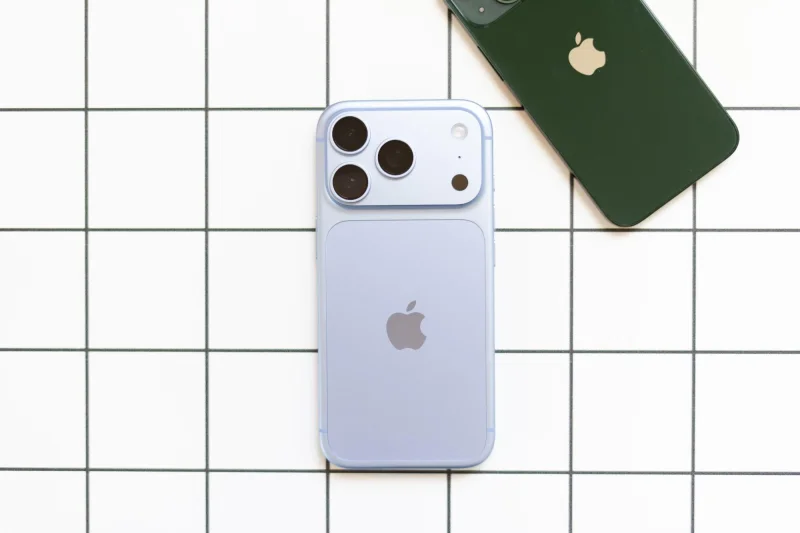
Apple has tied a new feature called iPhone Handoff to the Duo, letting one phone number stay active on two iPhones at the same time. That means a person can unlock either device and have the number move to that phone, with calls landing there and Find My following the active handset.
That is why the Iphone Duo Release Date is drawing attention now: Apple announced the feature last month when it unveiled the Duo, and it is arriving with a promise that sounds simpler than the fine print. T-Mobile is the first US carrier to support it, and it is charging an extra $5 a month for the feature, turning what looks like a clean handoff into something that comes with a recurring fee.
The appeal is easy to see for someone who keeps two phones around but does not want two numbers. The feature could also be useful for people who move between devices during the day and want the same line to follow them. Apple’s pitch is aimed at that kind of use, not at replacing a full second account or building a new phone plan from scratch.
But the carrier rules make the launch narrower than the marketing suggests. T-Mobile says the secondary iPhone used with Handoff should not have any other service attached to it, and it says the feature cannot be used with a T-Mobile business account at launch. That leaves out setups where a second phone is already tied to employer-managed service, which cuts into the idea that this is a seamless option for anyone carrying more than one iPhone.
The hardware around the feature may widen the audience a little, but it also shows where Apple is making trade-offs. The Duo comes with downgraded camera hardware, a reminder that the device is being positioned for a specific kind of buyer rather than as the most fully loaded iPhone in the lineup. The writer points to the iPhone Air and the iPhone Mini as examples of phones with poor battery life, and says the iPhone Mini is the kind of device someone might be holding on to for dear life. Against that backdrop, a feature that keeps one number alive on two phones makes sense for a small group of users who value flexibility over simplicity.
Verizon is planning to support iPhone Handoff by the end of the year, which should expand access beyond the first carrier launch. AT&T does not appear to support it, so the feature is starting with a limited footprint even as Apple frames it as part of the Duo’s broader appeal. For now, the answer to who can actually use it is narrower than the headline sounds: people on T-Mobile, with a second iPhone that is not carrying another service, and a willingness to pay the monthly charge.