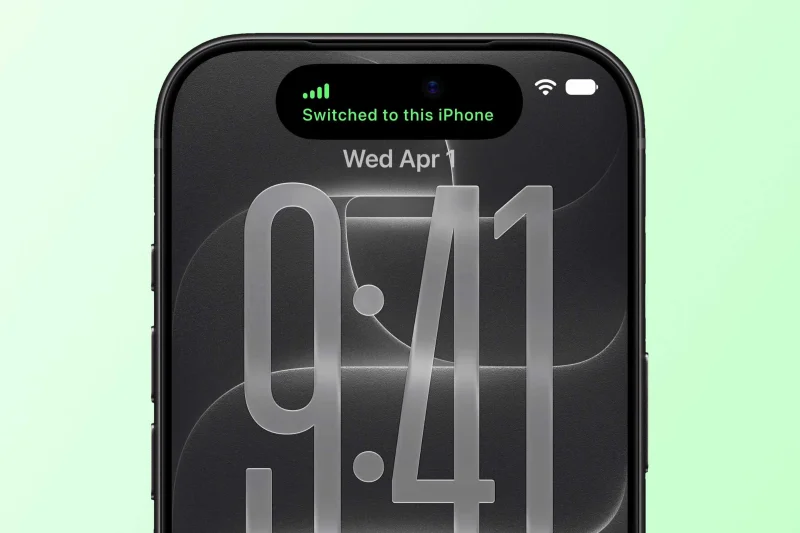
Apple’s iOS 27 rolled out earlier this month with iPhone Handoff, a new feature that lets two iPhones share the same SIM card and phone number at the same time. The setup is meant to work automatically, activating the eSIM on whichever phone is actually being used.
That matters now because the iPhone Duo is looming, and people looking at Apple’s next wave of phones are already weighing how much it costs to carry two of them. The new feature removes the usual headache of maintaining two phone lines, which has long made a second iPhone feel more like a burden than a backup.
The idea was not exactly hidden. Apple had already mentioned iPhone Handoff in a footnote on the iOS 27 page back in June, then put it into the software that arrived earlier this month. The comparison is easy to see: An Apple Watch with LTE or 5G already uses an iPhone’s SIM card, and when the phone goes out of range it automatically swaps the eSIM over to the watch. iPhone Handoff pushes that same logic onto the phone itself, so the active line follows the device in use instead of forcing a person to juggle cards or keep two numbers alive.
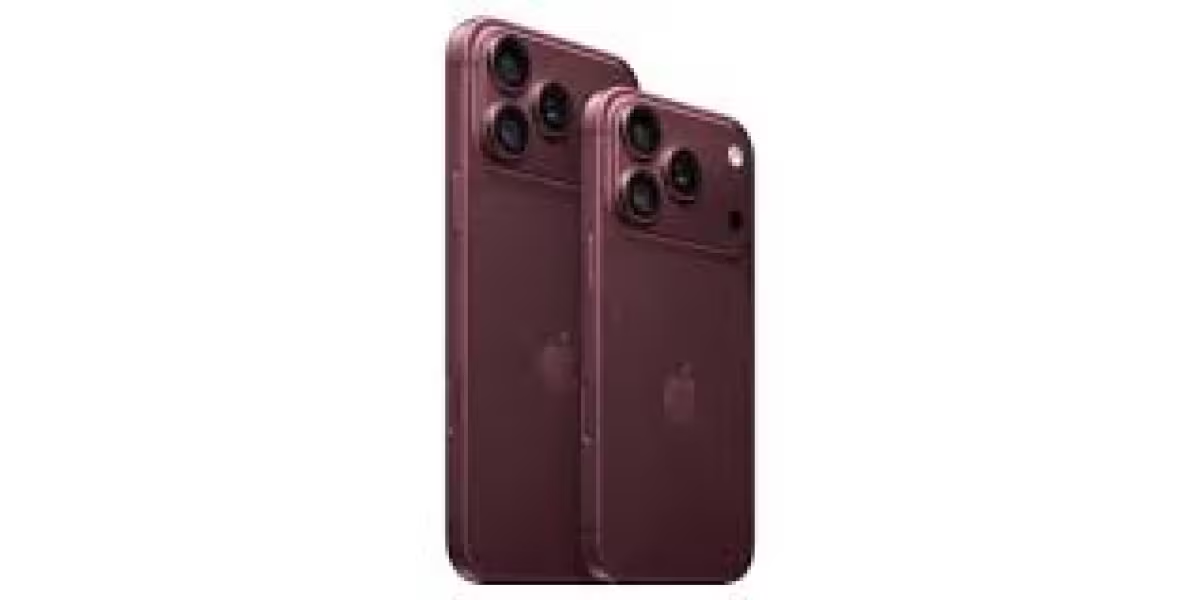
That makes the feature useful for anyone who wants one iPhone for work and another for personal use, and it also explains why the iPhone Duo keeps coming up in the same conversation. The new form factor is thinner than other iPhones, which is part of its appeal, but it is also missing Face ID and a telephoto camera on the back, so it is not being framed as the best iPhone in the lineup even as it is being described as the most exciting one.
What remains unclear is how broadly iPhone Handoff will spread. The feature is tied to iOS 27, but Apple has not spelled out whether it will work on all iPhone models or only on specific devices connected to the iPhone Duo idea. For now, the practical takeaway is simple: two iPhones no longer have to mean two phone lines, and that could change how people think about buying, carrying and splitting time between them.