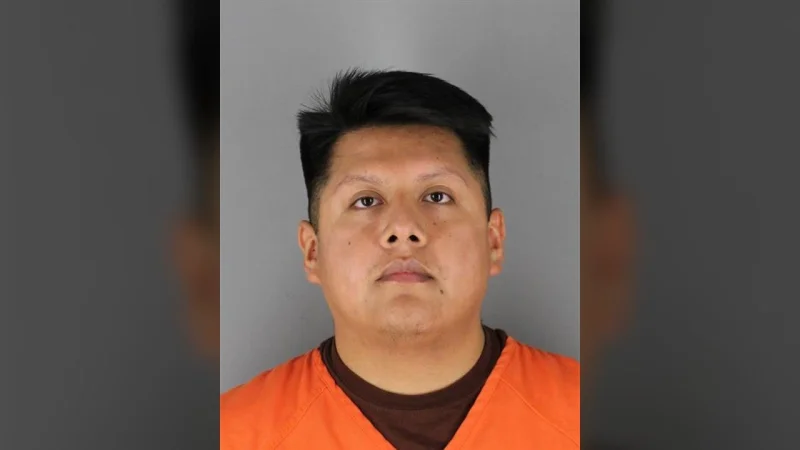
Jose Luis Lopez Xique was sentenced on October 15, 2026, to life in prison without the possibility of parole for the 2025 murder of Kayli Arseth in Richfield. The sentence ends the case at the trial court level and permanently keeps him behind bars for the killing of the 22-year-old woman.
The courtroom result matters because prosecutors had already secured convictions for first-degree premeditated murder, second-degree intentional murder and harassment with aggravated violations using a dangerous weapon. After the sentencing, Heather Arseth said, “The right evidence was there, so a monster could be put behind bars,” capturing the family’s view that the trial had answered the central question of responsibility.
Arseth was found dead in her Richfield apartment on June 17, 2025, after a welfare check, and police said she had been shot. Prosecutors charged Lopez Xique in July 2025, saying he had been asking her for a romantic relationship in the days before her death, while Arseth told him she was only interested in friendship. Her family later said she met him on a dating app and that he took her life three-and-a-half weeks after they met.

The case was described by prosecutors and advocates as a rejection killing, a label that points to violence after a woman turns down a man's romantic pursuit. Hennepin County Attorney Mary Moriarty said such killings are deeply rooted in misogyny and fit a broader pattern of gender-based violence targeting women. The office also said a first-degree murder conviction triggers a mandatory sentence of life in prison without the possibility of parole.
That framing carries a problem of its own. Violence Free Minnesota said rejection killings are not uncommon, but there is no national tracking system for these homicides, which means the scale of the crime is still largely hidden. Advocates have argued that makes cases like Arseth's harder to measure even as they repeat in familiar patterns.
Family members said Lopez Xique had been stalking Arseth and also her parents and siblings, a detail that broadened the case beyond one woman's refusal. Heather Arseth also urged change after the sentence, saying, “Let Kayli be a memory and an example, so that we can set new precedences, new laws and make changes, so that this type of crime does not happen again.” With the mandatory life sentence now imposed, the remaining question is not punishment but whether prosecutors' evidence at trial was enough to show the stalking and premeditation that turned a murder case into a lasting warning.