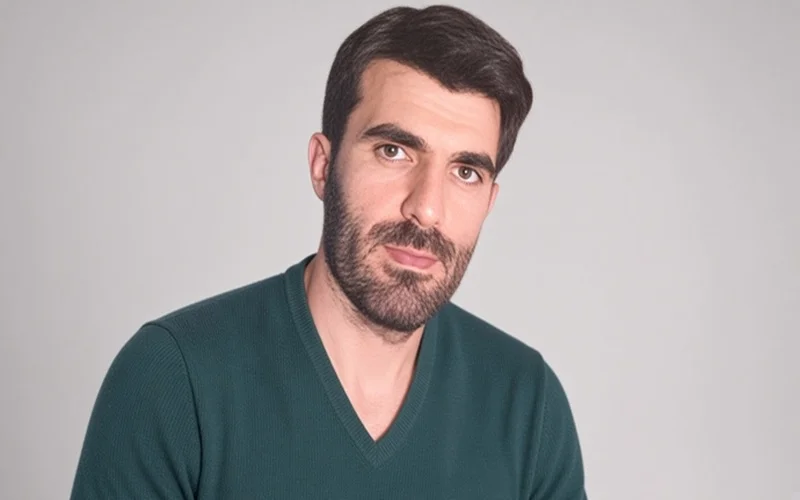
Loghman Aminpour used a letter published on November 24, 2026 to do something many prisoners inside Iran would never risk: he publicly reaffirmed his support for the People’s Mojahedin Organization of Iran from Ghezel Hesar Prison. Addressed to Massoud Rajavi and released by Simay Azadi, the letter answered a November 21 message about the activities and economic hardships of PMOI Resistance Units inside Iran.
Aminpour did not soften his language. He wrote that in a country he said had been ruined by the mullahs’ rule, his daily life was to resist and remain steadfast until his last breath. That line is the point of the letter and the reason it matters now: it is an open political declaration from a man still inside prison, not a retrospective statement made after release.
The weight behind those words is hard to miss. Between March 30 and April 4, 2026, six imprisoned PMOI members were executed in Ghezel Hesar Prison, including Vahid Bani Amerian, Mohammad Taghavi and Babak Alipour. Aminpour said in August 2026 that he had spent many days and years in prison with Vahid Bani Amerian and his other martyred companions, linking his own detention to the broader campaign against PMOI supporters.

His case did not begin with this letter. Aminpour was first imprisoned in February 2018 on charges of propaganda against the state and supporting the PMOI. He was released in March 2020 and arrested again shortly afterward. In November 2020, while in Evin Prison, he was denied medical treatment despite breathing difficulties, fever and other coronavirus symptoms. On September 3, 2023, he was among 13 political prisoners forcibly transferred from Evin to Ghezel Hesar Prison, where they were beaten, handcuffed and confined in overcrowded cells designated for death-row prisoners awaiting execution, with telephone calls and family visits cut off. On November 20, 2024, an appeals court upheld an additional eight-year sentence against him.
That is the friction at the center of the story: Aminpour continues to speak publicly even though the record around him is built from punishment, transfers and execution notices. He has chosen to send a message that can be read outside the prison walls, and he has done so knowing exactly what kind of system is holding him. What happens next is not spelled out in the letter, which leaves the sharper question in place: whether his public stance will draw more punishment, or whether the authorities simply keep him where he is and let the message stand.
The letter also places Aminpour in a larger pattern of repression against PMOI supporters, one that includes the executions in Ghezel Hesar Prison and the earlier repression he describes by implication rather than complaint. It is not a plea for sympathy. It is a declaration of endurance from a prisoner who has already lived through nearly a decade of imprisonment and still insists on being heard.