A federal judge has blocked immigration officers in Southern California from making warrantless arrests unless they first determine the person is likely to escape, putting new limits on civil immigration arrests across seven counties in the Central District of California. U.S. District Judge Maame Ewusi-Mensah Frimpong issued the preliminary injunction on Sept. 2, and it was unsealed Wednesday.
The order matters now because it changes what officers must decide before they take someone into custody without a warrant. It covers Los Angeles, Orange, Riverside, San Bernardino, Ventura, Santa Barbara and San Luis Obispo counties, and it reaches people subject to civil immigration arrests throughout that region. Frimpong also denied the government’s request to stay the order while it appeals, so the restrictions are in force now.

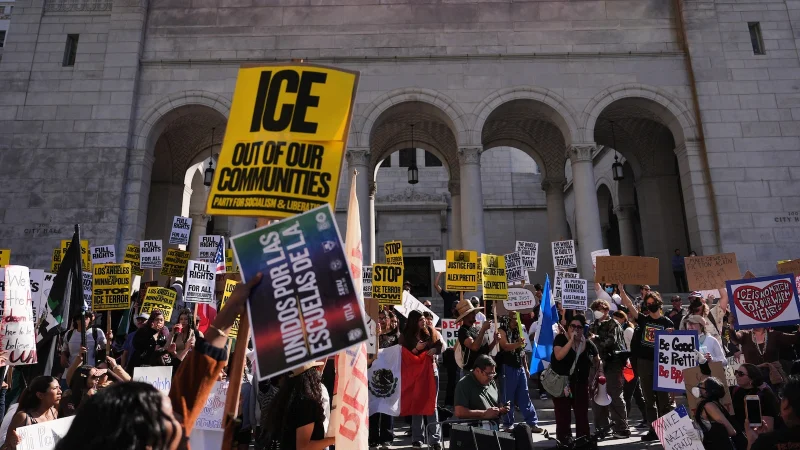
The case was brought last fall by the American Civil Liberties Union of Southern California, Public Counsel, and Los Angeles immigrant advocacy groups during an unprecedented surge of immigration enforcement in the region. The lawsuit also sought to block roving patrols making stops and arrests based solely on race, language and occupation, and to protect access to counsel rights for people in detention. Frimpong had already issued a temporary restraining order, but the U.S. Supreme Court later lifted it last September, and Justice Brett Kavanaugh wrote that apparent ethnicity could be a relevant factor for a stop if combined with other information.
In the new order, Frimpong said officers must weigh the totality of the circumstances known to the agent or officer before making a warrantless civil immigration arrest, and she said the mere fact that someone is in the country illegally is not enough. She also ordered the government to thoroughly document the probable cause that leads to an arrest before a warrant could be obtained. That is where the fight sharpened in court: federal attorney Daniel Mummolo said there is no statutory requirement to document, while Laura Perry Stone said the memo at issue requires officers to decide both that a person is likely to leave the location and unlikely to be found at another identifiable place, such as a home or workplace.
Frimpong said there was no evidence of officers saying they had failed to write it down but had made the determination anyway, and she pointed to a record that included government directives, arrest narratives, agent depositions and video evidence. Federal judges in Portland, Colorado, Washington, D.C., and the Eastern District of California have already blocked similar warrantless arrest practices, but this order is now the one governing the Central District of California. What happens next is whether the government tries to change its arrest procedures or pushes the case into the next round of appeals without the pause it asked for.