Xi Jinping greeted Donald Trump on the tarmac at Shenzhen Bao'an International Airport on Nov. 18, 2026, giving the U.S. president a rare personal welcome as he arrived in China for the APEC summit. Trump stepped off Air Force One and exchanged a handshake that turned into a brief hug with Xi before the two moved into the ceremony.
The greeting mattered because it came after Trump had welcomed Xi in person at Joint Base Andrews in September, a gesture that drew criticism from some Democratic and Republican lawmakers at the time. This time, Xi answered in kind, and the optics were unmistakable: a military band played the U.S. and Chinese national anthems while dancers waved flowers, pompoms and both countries' flags across the runway.
For Trump, the welcome was a sharper reception than the one he received on a previous visit to China in May, when Han Zheng met him at the airport in Beijing. And it was even more notable because Xi almost never appears at an airport to greet a visiting foreign leader; the Chinese leader instead left that job to senior Communist Party figures in other arrivals. When Vladimir Putin came through the same Shenzhen airport earlier on Wednesday, Xi did not greet him personally. Cai Qi met Putin instead.

That contrast fits the message Chinese state media likes to project: courtesy returned with courtesy. One Chinese report framed the welcome as proof that China values good manners and repayment of goodwill, while Dean Wu Xinbo described the governing approach as one of respect, fairness and reciprocity. He also said China still treats Trump seriously and wants to keep working with him, which is why the airport moment landed as more than theater.
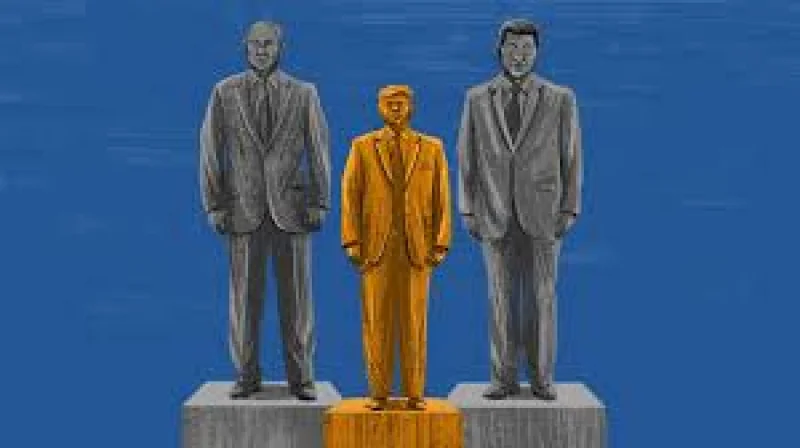
What comes next is the harder part. The show of warmth set the table for talks involving Trump, Xi and Putin, but the one thing still missing from the scene was the substance of those discussions: whether the three leaders can turn the carefully staged welcome into any concrete agreement once the cameras are gone.