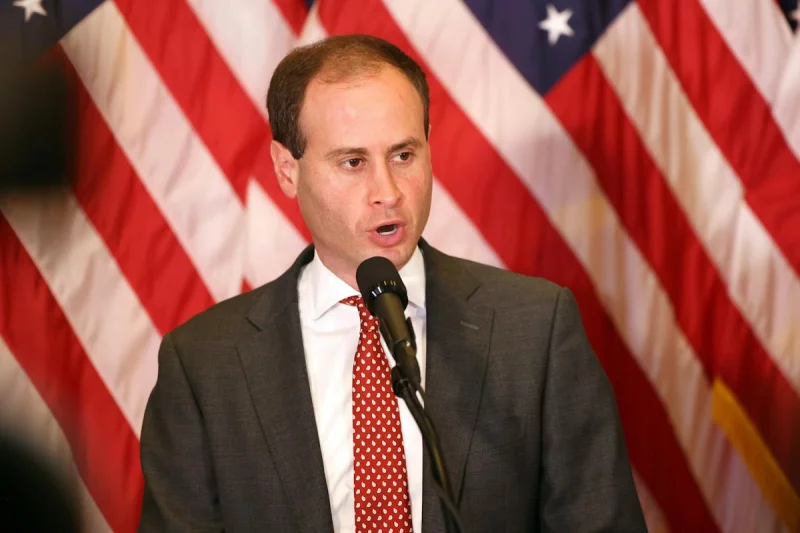
Will Scharf warned Robert Garcia on Wednesday that the Trump administration could try to prosecute him and other members of Congress over what Scharf described as unlawful subpoenas. Garcia, who is expected to chair the House Oversight Committee in January, had said last week: “Lawyer up.”
The exchange landed just after this year’s midterms reshaped Congress and made the fight over oversight newly immediate. Garcia’s warning was aimed at Trump administration officials, the same officials who could soon face closer questioning as the House changes hands. In practical terms, the letter turns a routine power struggle into a direct clash over whether Congress can use subpoenas to pry into the executive branch or whether the White House will try to answer with criminal threats.

Scharf cast the issue in the harshest possible terms. He said threats to executive branch officials meant to deter them from public service, or legal process meant to abuse or instill fear in the recipient, could cross into “blatant criminality.” He also said issuing unlawful subpoenas with the intention of depriving citizens of constitutional rights and privileges may warrant further investigation. The Trump administration, he wrote, expects members of Congress to carry out investigative work within settled constitutional limits and will not be “extorted” or “cowed” by process motivated by animus, pettiness, hatred, or another unlawful motive.
That threat runs into a basic problem. Members of Congress such as Garcia have legislative immunity, which the article says protects them from civil or criminal liability for speech or debate in either house and has been broadly interpreted to cover hearings and investigations. The same protection also means lawmakers cannot be arrested while traveling to and from the Capitol. That is why Scharf’s warning reads less like a legal roadmap than a political warning shot.
The broader fight is already moving. Last month, the Trump administration raided Minnesota Representative Ilhan Omar’s house on the eve of this year’s midterms, while also seeking to denaturalize her and deport her. Federal agents were looking for evidence to support those theories, and prosecutors brought charges against one of her bodyguards in hopes he would provide damaging evidence before the case was dropped. Against that backdrop, Garcia is expected to take over the House Oversight Committee in January, and the real test is not whether the White House wants a fight. It is whether it has any lawful way to stop one.