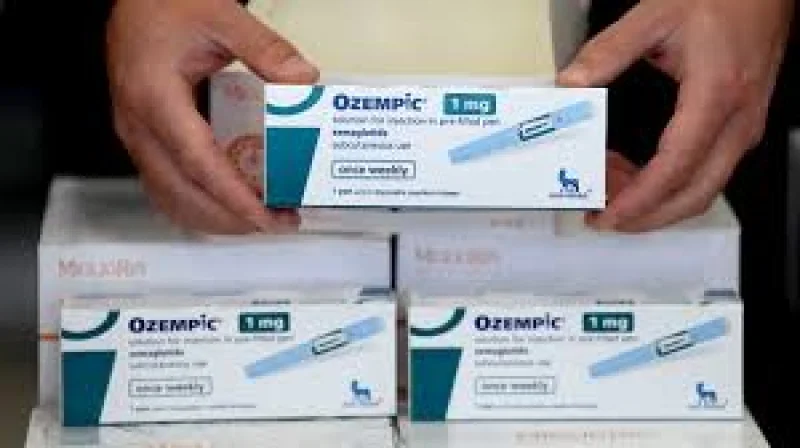
The Food and Drug Administration said on Monday it will add a new warning to the labeling of all GLP-1 drugs about a possible rare side effect that can sometimes lead to permanent vision loss. The update reaches a dozen injectable or pill-based medicines, including Zepbound and Mounjaro.
The warning centers on non-arteritic anterior ischemic optic neuropathy, or NAION, a condition that can cause significant vision loss. It is the kind of notice that lands with immediate force because these drugs are used widely for diabetes, obesity and other conditions, and the FDA said the problem has been reported with all GLP-1 drugs.
The agency began looking into the issue after a 2024 medical paper tied NAION to certain patients taking semaglutide, the active drug in Novo Nordisk's Ozempic and Wegovy. In an analysis of more than 125 clinical trials, the FDA found the problem occurred in roughly 6 of every 100,000 patients who took a GLP-1 for at least one year, compared with less than 4 per 100,000 among people taking a placebo or other glucose-lowering drugs. The agency also said it found reports in its electronic system for drug injuries and side effects.

Dr. Joseph Rizzo said he and his team had been working with the FDA to gather and review data on the issue for some time. He said the evidence shows GLP-1 use increases the risk of developing NAION, and that the vision loss tends to be irreversible and can become progressively worse, even if a patient stops taking the medicine. He also said the medicines have been profoundly beneficial to a large number of people.
That is where the disagreement sits. Novo Nordisk said it continues to believe the data do not establish a cause-and-effect relationship, while Eli Lilly said it was carefully evaluating the update and will respond to the FDA promptly. The FDA's drug safety communication applies to all medicines with GLP-1 RA activity and does not reference any findings specific to Lilly medicines.
Symptoms of the problem include blurred vision, blind spots, distorted colors and other visual disturbances, and patients with those signs should contact a healthcare professional immediately, the FDA said. NAION can also develop in people who are not taking GLP-1 drugs, and the American Academy of Ophthalmology says it affects somewhere between 2 to 10 of every 100,000 adults over age 50.
The warning now places a broader regulatory burden on a class of blockbuster medicines that already face close scrutiny, including in other weight-loss and diabetes programs such as the one discussed in Retatrutide and Lilly’s new weight-loss data lift hopes, but side effects bite. What remains unresolved is how many patients taking a GLP-1 over longer periods may ultimately develop permanent vision loss, and that is the question the new labeling is meant to keep in view.