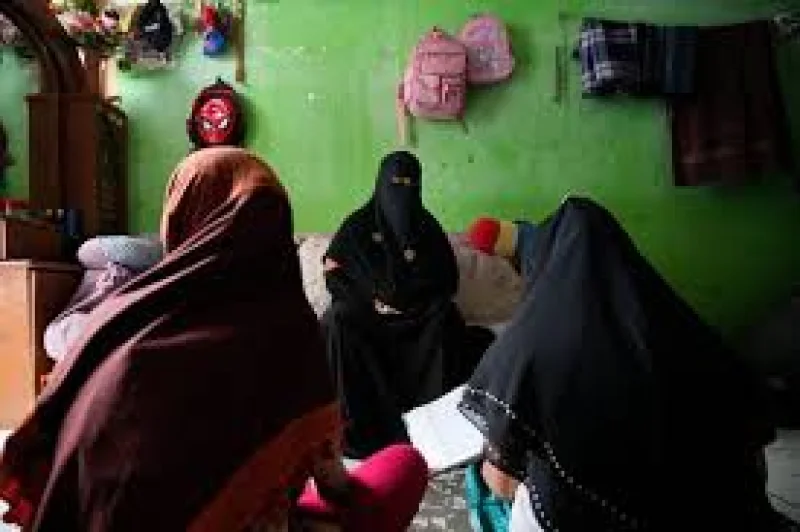
Rohingya Muslim refugees who fled persecution in Myanmar are now facing a different kind of fear in Malaysia: some say they are being turned away or treated badly at local mosques, while others stay away from places of worship because they worry about immigration detention. The pressure is falling on people who escaped one country’s violence only to find new uncertainty in another.
The issue matters now because Malaysia is a Muslim-majority country, yet Rohingya Muslims there still describe exclusion and caution in daily life. Malaysia does not legally recognize refugees, which leaves them without the protections that would normally make it safer to move, pray and seek help in public. In practice, that gap leaves some Rohingya vulnerable both to discrimination and to detention fears at the same time.
There is no indication this is limited to one mosque or one neighborhood. It is part of a broader refugee struggle in Malaysia, where the absence of legal recognition shapes the choices Rohingya make long after they fled Myanmar. For some, even entering a mosque can mean deciding whether the risk of humiliation is smaller than the risk of being noticed.
That is the contradiction at the center of their lives in Malaysia. A community that shares their faith can still become a place they avoid, and a country that is majority Muslim can still be a place where they feel they do not belong. Until their legal status changes, the fear is likely to remain built into the routine of daily life.