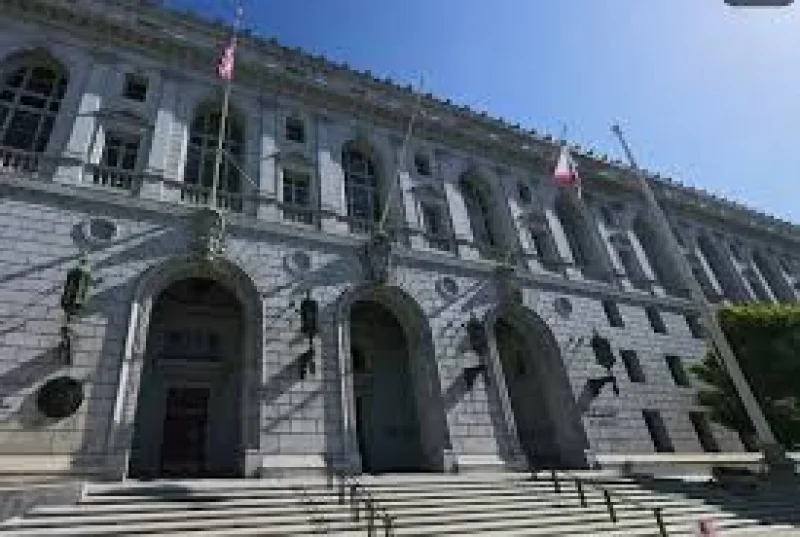
California voters will decide whether appellate and state Supreme Court judges keep their seats in the upcoming election, using a system that asks for a simple yes or no rather than a contest against another candidate. If a judge is voted out, the governor names a replacement.
That is why searches for Joshua Groban Judge Democrat Or Republican are landing on a bigger question: how California handles its highest court seats. These judges do not face opponents. Voters are asked whether the judge should be retained, and the answer is a thumbs-up or a thumbs-down.
Thomas Goethals, who served as a state court judge and an appellate court judge, said the setup is meant to keep those positions apart from campaign politics. He said they are supposed to be bipartisan and that judges are supposed to let the chips fall where they fall based on the facts and the law. In his telling, the vote is not about running against a name on the ballot. It is about deciding whether the person already in the seat gets to stay there.

That is one reason the stakes are different from the kind of judicial elections Californians may know at the superior court level. Superior court judges directly preside over criminal and civil cases, and those judges serve six-year terms. Appellate judges review that work through briefings and arguments from attorneys and decide whether any mistake was made. Appeals and state Supreme Court judges serve 12-year terms, and the California Supreme Court has the final word on state laws.
The path to those higher courts is also more exacting. Goethals said the process is much more thorough for appellate and state Supreme Court judges. The Governor’s Office reviews a prospective judge’s background, multiple legal groups such as the California State Bar weigh in, and candidates go before the Commission on Judicial Appointments, which includes the chief justice of the state Supreme Court, the state attorney general and the presiding justice of the appeals court district where the candidate would work. A Supreme Court candidate follows a similar process. Most state court judges are first appointed by the governor after a predecessor retires in the middle of a term, and a judge who reaches the end of a term can retire and trigger an election.
Even so, the system is not immune to politics around the edges. Goethals said rumors of someone preparing to challenge his state court seat surfaced during particularly high-profile and controversial cases. No opponent ever emerged, but the episode showed how quickly a supposedly bipartisan bench can become the subject of political talk when a judge is tied to cases people care about. “Judges are human beings,” he said, and “you don’t like hearing someone is mad enough to try to run you out of the county.”
California is unusual, but not alone. Some states use competitive elections for appeals court and state Supreme Court judges, while California relies on retention votes instead. The state almost never removes a judge this way, Goethals said, adding that the chances of a horrible mistake being made are pretty remote. If voters do reject a judge, though, the answer is immediate: the governor nominates a successor, and the bench turns over without a campaign between rivals.