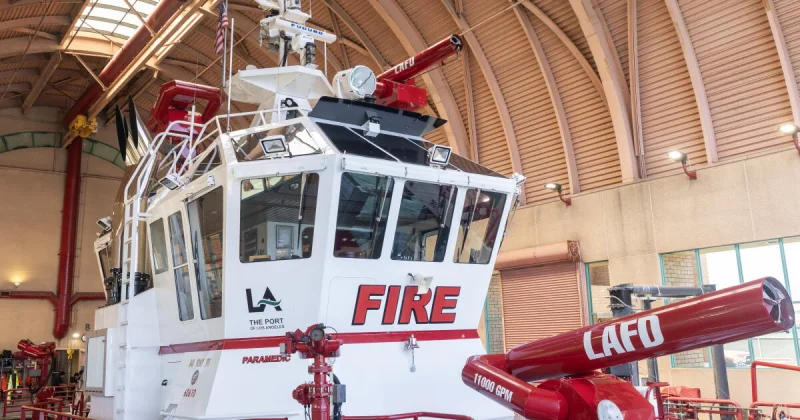
Los Angeles voters will be asked this November to decide eight city ballot measures that could reshape taxes, fire funding, development rules and how the city runs basic services. One of the most far-reaching is Measure FD, a 0.5% sales tax increase that would send more money to the Fire Department.
Measure FD would lift the city’s retail sales tax from 10.25 cents per dollar spent to 10.75 cents, and the city says it would raise about $345 million annually. The Howard Jarvis Taxpayers Assn. puts the cost at an average of $86 per person each year, or $345 for a family of four, making it one of the clearest pocketbook questions on the ballot.
The proposal arrives after Los Angeles has already adopted other tax hikes in recent years, and supporters of Measure FD say the city needs the money to strengthen fire resources after years of strain. The measure was spearheaded by the United Firefighters of Los Angeles City Local 112, which has pushed it as a way to help a Fire Department that has faced rising demands.
But the ballot is not only about taxes. Proposition TE would give certain Pacific Palisades homes damaged or destroyed in the 2025 wildfire a five-year exemption from the mansion tax, which levies a 4% transfer tax on sales above $5.4 million and a 5.5% tax above $10.9 million. For a Pacific Palisades resident who lost a home and sold a vacant lot for $6 million, the transfer tax bill would be $240,000 at current rates.

That relief is where the fight sharpens. Some Palisades fire victims are already paying hundreds of thousands of dollars in Measure ULA taxes when they sell damaged or destroyed homes, and supporters say Proposition TE is a basic fix for people forced to rebuild after disaster. Opponents see something different: a loophole that could also help landlords and investors, while reducing money that would otherwise flow to homeless and affordable housing programs.
Three of the other measures would change how City of Los Angeles government works. Charter Amendment LA would alter the way public works are administered, allowing the city to lease underused land, opening the door to greater city involvement in business enterprises and easing some competitive bidding rules. In practical terms, it is meant to give the city more room to manage its budget and deliver repairs to streets, sidewalks and streetlights more quickly.
Charter Amendment PL would tweak the Planning Department, with backers promising faster decisions, clearer rules and more consistent oversight of development citywide. In a city where delays can shape whether a project moves ahead at all, that kind of change would affect how development is reviewed and how decisions are made from one case to the next.
The remaining measures would deal with governance of airports and the port, along with parks, making the November ballot unusually wide in scope. The result is a rare test of how far Los Angeles voters are willing to go on taxes, public safety and the machinery of city government at the same time. What remains unresolved is not whether the choices are large, but whether voters will accept them one by one when they reach the ballot.