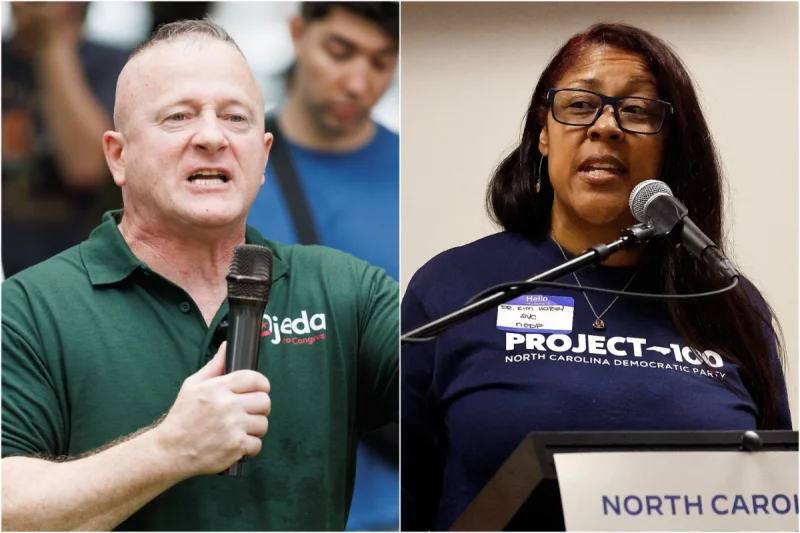
Richard Ojeda said Wednesday that Democrats are on the verge of flipping North Carolina’s 9th Congressional District, putting a fresh burst of optimism behind a race Republicans were still expected to hold. He told a news conference that he thinks the party is “on the verge of flipping these seats” and said he believes Democrats and unaffiliated voters are breaking his way.
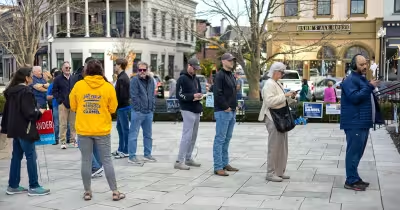
The timing matters because early voting since mid-October has brought a surge of Democratic and independent participation compared with the 2022 midterms, and that is what is driving the search for signs that the district could actually move. Ojeda went further and said he thinks there is already a “good-sized lead,” a claim that turns a normally cautious campaign into one making a public case for momentum rather than waiting for Election Day numbers to do it for him.

That optimism is being measured against a long stretch of Republican control. It has been 10 years since Fayetteville and Cumberland County had a Democratic representative in the U.S. House, and the 9th Congressional District was still widely expected to stay in Republican hands in the 2026 midterms. In a news release on Friday, Ojeda said the Cook Political Report had shifted the seat from solid Republican to likely Republican, a change that reflects how the race has been tightening in the final stretch.
Kimberly Hardy, who is running in the region, pointed to an August survey that had her trailing David Rouzer 49% to 43%. She said the gap reflected name recognition rather than a settled result, saying the race was close and that the lag came because he was better known. Her argument fits the larger Democratic pitch: early numbers show room to grow, and the latest turnout patterns suggest some of that growth may already be happening.
But the same early-vote surge can cut both ways. Republican-leaning voters can still decide the outcome with strong turnout on Tuesday, and that is the obstacle for Democrats trying to turn promising participation into an actual seat change. The 9th District may have shifted on paper, but the final answer will come down to whether the voters who have not yet cast a ballot show up in enough numbers to erase what Democrats think they have built so far.