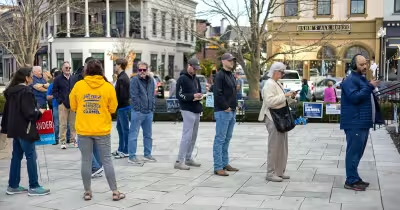
Polls were open across Louisiana on Tuesday, Nov. 3, as voters chose a U.S. Senate race, all six congressional seats and 10 proposed constitutional amendments. Voting began at 6 a.m. and ran until 8 p.m., with anyone still in line at closing time allowed to cast a ballot.
The race drawing the most attention was the contest to replace Bill Cassidy, even though he was already out after the Republican primary earlier this year. The winner will serve a six-year term alongside John Kennedy, giving voters a say in who joins him in Washington for the next full Senate term.
The ballot was broad enough that it stretched well beyond one federal seat. Julia Letlow faced Jamie Davis in Louisiana's 5th Congressional District, while voters across the Capital Region also picked from several contested races and district attorney elections in East Baton Rouge and Livingston parishes. Davis, who won the Democratic nomination by defeating New Orleans businessman Gary Crockett, entered the general election against Letlow after she secured the Republican nomination in a June runoff over John Fleming.

Turnout was already heavy before Election Day. More than 520,000 Louisiana voters cast ballots during early voting, nearly 40% more than in the 2022 midterm elections, when 377,428 people voted early. That kind of early participation left election officials with a long final day, and it also showed how much was riding on a ballot that mixed federal races with local contests and constitutional questions.
The amendments may prove the hardest to read from the outside because they cover different issues, from property taxes and tax exemptions for senior citizens to criminal justice laws and term limits. One measure, Amendment 4, would go beyond the current cap of two consecutive gubernatorial terms and make two terms the lifetime maximum for a governor. Other proposals would alter property tax rules, including some tied to older homeowners and eligibility for special property tax assessments.
That mix created the main tension of the day: voters were being asked to settle a Senate race that had already been reshaped by the Republican primary, while also deciding whether to rewrite parts of the state constitution in ways that could touch taxes, sentencing and who may serve again. The size of the early vote suggests the result could turn on how many people followed through on Election Day and whether the amendments drew enough support to clear the threshold they needed to pass.
The first results were expected later Tuesday, and the clearest unanswered question was not who was on the ballot but how many of the 10 amendments could survive it. KALB said it would begin its election coverage at 9:30 p.m., after the polls had closed and the counting began.