
Valve told developers on October 27 that it does not want to ban AI in games, even as some indie teams are already facing threats that copycat titles could be cloned with AI and released first. Speaking at Steam Indie Connect, the company’s message was blunt: the answer to a clone is not a gatekeeper, but a stronger game that keeps growing after launch.
The warning matters because developers are searching for a practical Valve AI game cloning response now, not a theory about the future. Tom Giardino said this was the first time he had heard about extortion emails tied to AI clone threats, and he framed the issue as one developers must judge for themselves. His line was plain: Valve does not want to be gatekeepers telling developers which tools they should or should not use.
Giardino and Marc Wilkinson of Valve’s Steam Business Team spoke at the event, which was co-hosted by the Busan Indie Connect Festival Organizing Committee and the Korea Creative Content Agency. Matt from the localization team also joined the Q&A and said his team oversees translations into 30 languages for Steam and Valve games, as Valve walked Korean developers through how Steam handles visibility and curation.
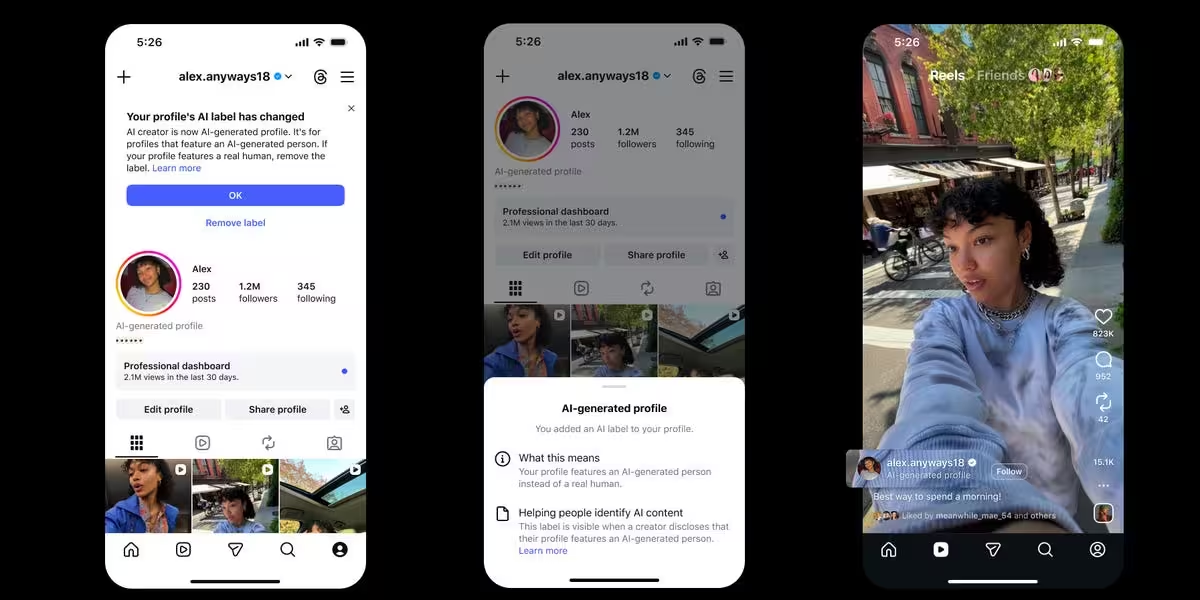
The advice behind all of that was not subtle. Valve said the genuine version has to be the best version, and that trust built with players is the strongest barrier against clone games. Features and identity added through updates are harder to copy than a single mechanic, which is why the company urged developers to keep building community and keep shipping consistent updates instead of treating launch as the finish line.
That position leaves one obvious gap. Valve is telling developers to push harder on identity, updates and player trust, but it did not announce any specific protection for teams being threatened with AI clones, or any new enforcement step for Steam itself. For now, the company is asking developers to prepare early, set an official release date, use Coming Soon pages, demos, Next Fest, playtests and build reviews, and not depend on Steam alone when they go to market.
Steam’s broader scale helps explain why the issue is landing now. The platform launched on September 12, 2003 and recently reached a peak of 43.5 million concurrent users worldwide, while Valve has also said Total Steam revenue in South Korea grew 126% over the past five years. Against that backdrop, the company’s message is that even in a market flooded with AI-generated games, a studio’s best defense is still the same one it has always had: make the game people already care about impossible to ignore.