The Centers for Disease Control and Prevention on Tuesday released its latest Antimicrobial Resistance Threats Report, and the numbers are bigger than before: drug-resistant bacteria and fungi are now estimated to cause 9.7 million infections and 50,800 deaths in the United States each year.
That estimate is why the report is drawing attention now. The CDC says the tally is based on 2023 data and is its most comprehensive update since 2019, giving a sharper national picture of drug resistance at a time when people in the United States are still dealing with a threat that reaches well beyond isolated outbreaks. In the latest count, roughly 40,000 deaths are linked to health care-associated infections, and those infections carry almost $12 billion in health care costs.

The list of the most worrying superbugs has also changed. It now includes 19 microbes split between four urgent threats, 13 serious threats and two concerning threats, with six other germs on a watch list. Drug-resistant Neisseria meningitidis was added as a serious threat, while drug-resistant Clostridioides difficile was downgraded from urgent to serious because its rates began to lower in 2018 and have remained stable since 2020.
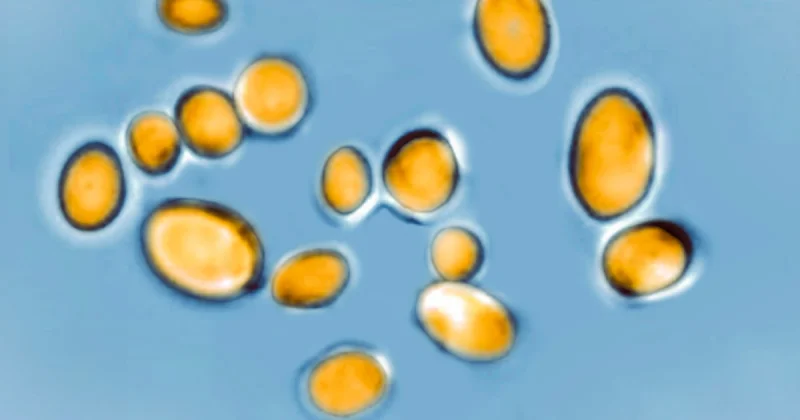
That shift does not soften the broader warning. The CDC's 2019 report estimated around 2.8 million infections and 35,000 deaths from drug-resistant germs each year, and the newer estimate is far higher because it draws on a broader, more complete set of data. Candida auris is also moving in the opposite direction: infections caused by the fungus have surged tenfold since 2019, and some strains now resist practically all available antifungals.
Wendy Armstrong said the figures are alarming by any measure, but they become especially sobering when infectious diseases physicians connect them to real patients. She said that is honestly terrifying, and the next question is whether the progress seen with Clostridioides difficile can be repeated against the germs that are still climbing. If it cannot, the CDC's latest report is not just a larger count. It is a warning that the country is still far from getting drug resistance under control.