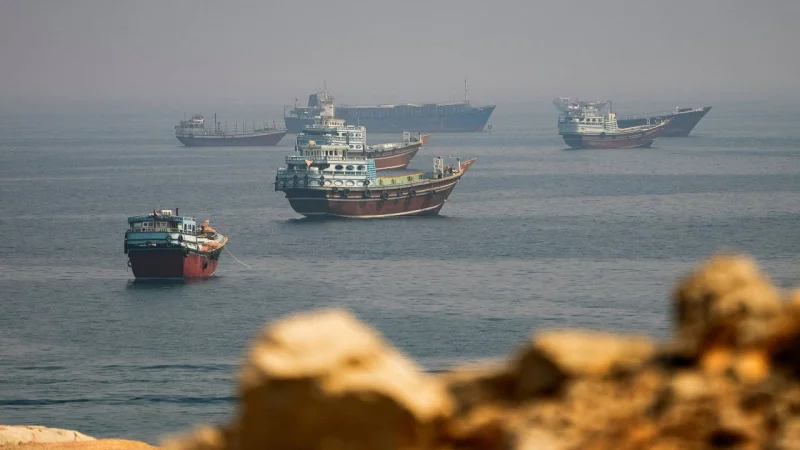
Iran's last floating oil stocks are being drained, and the revenue stream that has helped keep the country afloat is now expected to run out before the end of the year. That shift matters because the exports were previously 90% destined for China, so the pressure on the Iranian shadow fleet is no longer abstract: it is cutting into the money that pays bills inside Iran.
Admiral Brad Cooper said Central Command has evidence that the cash shortage is already affecting salary and pension payments across Iran's energy, oil, manufacturing, construction, aviation, steel and automotive sectors. He said the strain is also reaching regular military personnel and the IRGC, a sign that the squeeze is no longer confined to civilian industries.

The numbers point to why the warning is landing now. Iran's exchange rate has hit 2,695,000 rials to the dollar despite intervention by the Central Bank of Iran, while inflation has reached 70%. In that environment, even a limited loss of oil income can quickly become a wider payment problem, because the state has less room to delay salaries, pensions and supplier bills.
But the pressure campaign is not sealing the route completely. On October 16, Cooper said the U.S. naval blockade was 100% effective in controlling traffic to and from Iranian ports, yet regional partners still passed 400 vessels and 100 million barrels of oil through the Strait of Hormuz in the previous seven days, equal to more than 50 VLCC transits. That is the contradiction at the center of the story: the blockade is described as airtight, but the strait is still moving huge volumes.
The wider picture is a squeeze built around shipping, finance and reduced access to buyers. The depletion of floating stocks is part of a campaign that has made Iran's oil income harder to move and easier to interrupt, while the article says attacks on shipping in the strait have increased even as they have not yet widened to infrastructure targets in the Gulf countries. The question now is not whether the cash flow is weakening; it is how much of the last revenue is still left to collect before year-end.