SpaceX is planning to pull Falcon 9 from the commercial market as soon as 2028, and that has turned the U.S. medium-lift launch market into a race against the calendar. Satellite operators looking ahead to the 2027 to 2030 window do not know which rockets they will be able to book.
That uncertainty matters because Falcon 9 is no longer for sale, while the larger Vulcan and New Glenn rockets already have stacked manifests and are expensive for small- and medium-sized satellites. The gap is especially sharp in a market defined by rockets that can lift 2 to 20 metric tons, the range that covers the missions most operators are trying to place now.
The problem is not that the United States lacks rockets on paper. Four forthcoming vehicles have U.S.-built engines, and the companies behind them have studied Falcon 9 closely. But the list does not resolve the real question: which one will be ready in time, and which one can scale launch cadence fast enough to matter once Falcon 9 leaves the commercial market.

The last new medium-lift rocket to debut in the United States was the Antares, developed by Orbital Sciences Corporation, 13 years ago. Its initial 100-series variant used old Soviet engines built when Apollo astronauts were landing on the Moon, then Aerojet acquired those engines in the 1990s and refurbished them for a rocket that would launch in the 2010s. The fifth launch of an Antares rocket exploded in 2014, a reminder of how thin the U.S. middle of the market has been ever since.
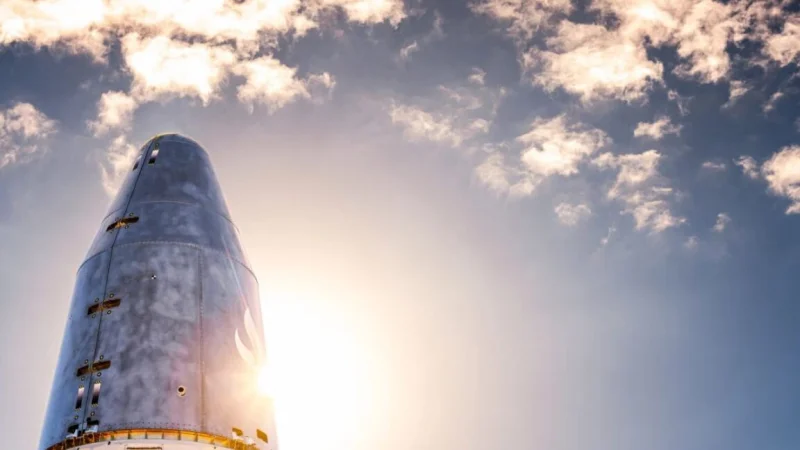
That is why the next wave is drawing so much attention. The smallest of the rockets under development is aiming at 3 tons in fully reusable mode and 7 tons in expendable mode, which places it directly in the commercial niche that Falcon 9 has filled so efficiently. Nova is built around full reusability, a novel upper-stage thruster design and heat shield, and full-flow staged combustion engines on its first stage.
Stoke is the company with the clearest near-term milestone. Nova’s first stage is nearly complete at its factory in Kent, Washington, and last week the second stage was shipped to its test site. If hot-fire tests go well, that second stage will move to the launch site, where the launch complex at Cape Canaveral, Florida, is nearly complete. Stoke is targeting early 2027 for the first launch.
Even so, Nova’s progress does not settle the wider market picture. The same transition that is pushing Falcon 9 out of the commercial market is still leaving satellite operators to guess which rockets will actually be available when they need them. The next test is not whether the new vehicles can be described as replacements. It is whether any of them can arrive, and ramp up, before the commercial market runs out of Falcon 9 slots.