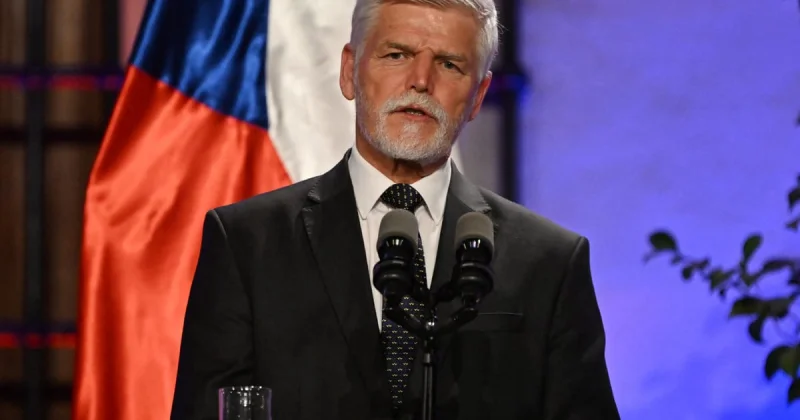
Petr Pavel says the U.S. diesel deal with Russia changed the mood around a possible ceasefire, making peace harder to reach just as talks had seemed close. The Czech president said he would not call it betrayal, but he would call it a mistake.
Pavel said a ceasefire between Russia and Ukraine had been quite close before President Donald Trump lifted sanctions on Russian diesel, and he argued that coordinated U.S.-European sanctions on Russian oil, oligarchs and other industries were already putting Russia under strain. In his view, the new deal gave Moscow time to breathe and a new hope that it could ignore Europe and Ukraine while looking for a separate understanding with the United States.
The White House said on Wednesday that Trump successfully negotiated the agreement to supply the global market with massive amounts of diesel and bring prices down. Pavel said the arrangement would send hundreds of thousands of tons of diesel to the U.S., a detail that helped drive the backlash because it showed the deal was not only about price but also about leverage. He said Russia was being given room to reset its calculations at the very moment pressure appeared to be working.

That is why the criticism landed so quickly. A bipartisan group of U.S. senators urged Trump to rescind the deal, and Volodymyr Zelenskyy said it plays into Russia’s hands, letting Russia kill more, wage war longer, show even less respect for America and inflict greater losses and damage on the world. Zelenskyy also accused Trump of using peace talks in Florida as a smokescreen while the administration pursued the agreement with Russia.
Pavel said he did not yet know whether the deal crossed the line into betrayal, but he was clear about its effect. It was, he said, much harder now. He added that Europe might one day buy Russian oil again, but not soon, leaving the immediate dispute over whether a price-cutting deal has also weakened the pressure that had brought a ceasefire within reach.
Donald Trump has shown a more open approach to Russia than any European leader, Pavel said, and that gap now sits at the center of the fight over the agreement. Jim Risch and other critics are pressing one question that the White House has not answered in public: what, exactly, was traded away to win the diesel deal, and how much of the old pressure on Russia remains intact.