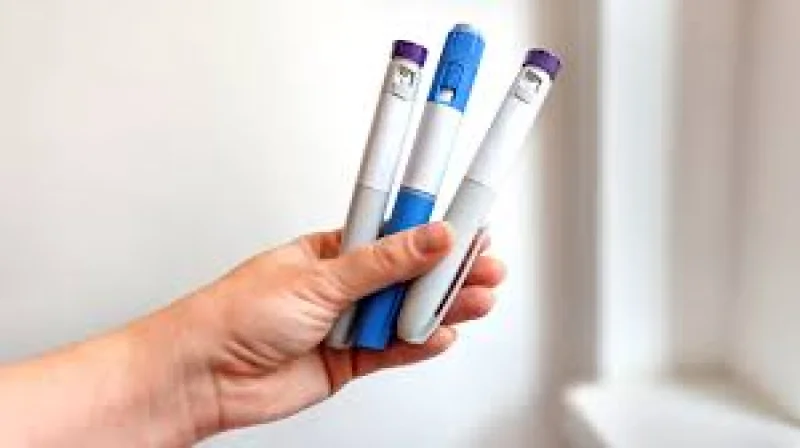
Apothecary Pharma recalled 23 vials of injectable drugs nationwide after saying their sterility could not be assured, including 22 vials of compounded tirzepatide and one vial of NAD+ injection. The FDA classified the recall as Class II on Oct. 8, a designation that means serious health consequences are considered unlikely even as patients are being told to stop using affected products.
The recall matters because compounded tirzepatide is a GLP-1 medication that contains the same active ingredient as Eli Lilly's Mounjaro and Zepbound, and the vials were distributed across the country. The tirzepatide product is an 18 mg/mL prescription injection in a 4 mL multidose vial, identified by NDC 85091-001-18, with affected lots -202622 through -202625 and -202627 through -202644 carrying beyond-use dates from Oct. 7 through Nov. 26, 2026.

The lone NAD+ product in the recall is a 200 mg/mL prescription injection in a 6 mL multidose vial, identified by NDC 85091-011-06 and lot -202647, with a beyond-use date of Oct. 13, 2026. Apothecary Pharma began the recall on Sept. 24 and notified recipients by letter, while the FDA notice did not identify any reported illnesses or injuries linked to the products.
The recall follows a December 2025 warning letter in which the FDA cited serious deficiencies in Apothecary Pharma's sterile drug production practices and said the problems put patients at risk. But the agency has not established a connection between those findings and the current recall, leaving the key question narrower than the safety concern itself: whether any of the vials were actually contaminated or whether sterility simply could not be guaranteed under the company's process.
For now, the answer is written into the recall itself. No illness report has surfaced, serious harm is considered unlikely under the FDA's classification, and the action remains ongoing nationwide. That leaves consumers to do the practical work next: check vials and pharmacy records, then contact a pharmacist or prescriber before using any affected product.