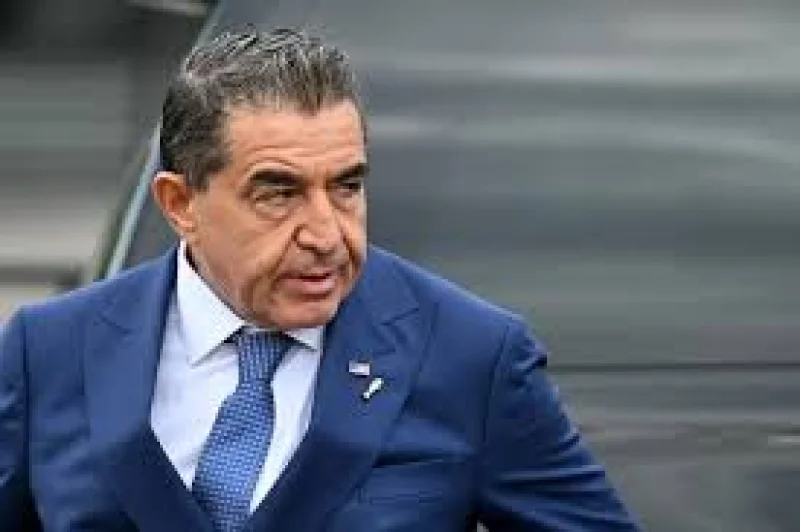
Paolo Zampolli’s run as special envoy for global partnerships at the State Department ended on Thursday, after a months-long fight with Christopher Landau and a cloud of legal trouble that had made his role hard to defend. Zampolli said the exit was his own choice, but he reportedly learned on Thursday that the post was over.
That makes the Paolo Zampolli State Department Removal more than a personnel change. It closes a contested job that sat inside Marco Rubio’s State Department and was supposed to last a year, even though Zampolli said Donald Trump had already extended it by more than six months. The timing matters because the dispute had already spilled into public view through email, where Landau, the deputy secretary, warned him on November 14, 2025, to stop working on anything not directly tied to cultural diplomacy.

Landau’s message was blunt: “I am hereby ordering you–once again–to immediately stop all work on ANY issues not directly tied to cultural diplomacy, including every one of the issues you mentioned in your recent emails.” That order followed accusations that Zampolli had overstepped his brief, and the standoff widened into dismissal threats, misconduct claims and finger-pointing over press leaks. In Washington, that kind of break usually signals that a working relationship has collapsed, not just frayed.
The legal pressure around Zampolli was already severe. Victoria Drake accused him of drugging and sexually assaulting her at his Manhattan townhouse in October 2023, and he denied the claims, called her statements false, threatened a $100 million countersuit and filed a criminal defamation complaint against her in Rome. Those allegations do not explain every step of his removal on their own, but they help explain why the post became so difficult to hold once the feud inside the State Department hardened.
There is still a gap in the public account: the exact legal problems beyond the Drake lawsuit that made his position untenable have not been laid out in full. Zampolli tried to frame the end of the job as a clean exit, saying, “The President is always right,” and, “Time for the next chapter – back to business, building relationships and closing deals.” But the sequence points the other way. He says he was moving on; the record shows he was told the role was finished. That is the part that now defines the story.