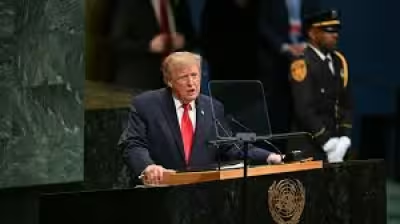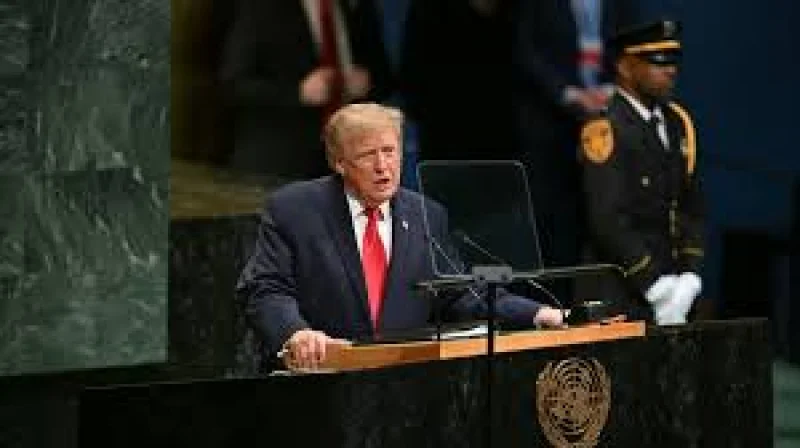
Donald Trump is set to use his speech to the United Nations General Assembly on Tuesday to put Iran, Gaza and a push to overhaul the world body at the center of his message. He will then meet leaders of the Gulf Cooperation Council, turning the day into one of the clearest tests yet of how far he intends to push his foreign policy agenda at the 80th United Nations General Assembly.
The White House says Trump will address Iran's nuclear ambitions, the administration's Gaza peace plan and developments in the Western Hemisphere, while a senior U.S. official said Iran will be a key topic of conversation and diplomacy throughout the week. That makes the speech more than a ceremonial stop in New York; it is a direct attempt to shape the week’s agenda before the harder talks even begin.
Trump has treated the United Nations as a target before. In 2025, he asked, “What is the purpose of the United Nations?” and said it had “tremendous potential.” This year, he is expected to return to that critique while his own administration says it has helped cut more than $1 billion from the U.N. budget, trimmed roughly 3,000 headquarters positions and sent more than a quarter of U.N. peacekeepers home.

A senior U.S. official framed the effort as “having the U.N. on a diet, getting it back focused, leaner, and back to basics, focused on peace and security,” while also calling it “doing less things better.” That is the sharp edge of the Trump approach: he is preparing to criticize the United Nations from its own stage even as Washington is trying to shrink its reach from the inside.
The friction is hard to miss. Trump will take the world stage amid conflicts involving Iran and Russia's war in Ukraine, with strategic competition with China also intensifying at the United Nations General Assembly. Iran is expected to dominate diplomacy on the sidelines of the gathering, and Washington is restricting Tehran's delegation, a move that underscores how central the dispute has become before Trump even begins speaking.
What Trump ultimately demands in New York matters as much as the speech itself. If he uses Tuesday to turn broad complaints about the United Nations into concrete pressure on Iran, Gaza or the institution's own budget and peacekeeping role, the week could set a sharper line for U.S. diplomacy; if he does not, the address may be remembered as another forceful critique with little immediate follow-through.