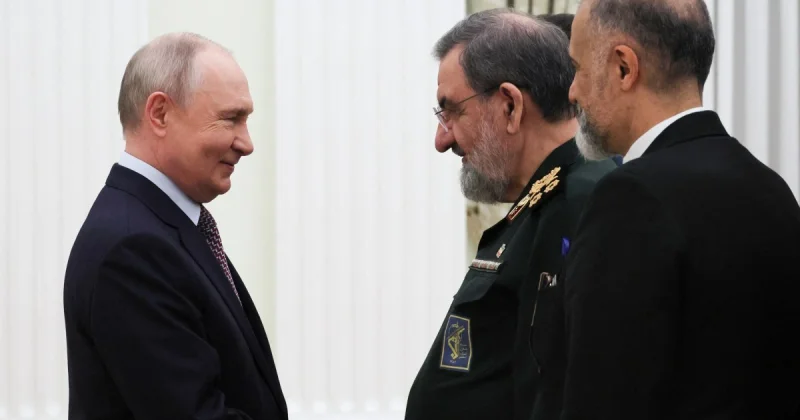
The Iranian government has submitted a proposal on the future of its nuclear program to the Trump administration, putting a fresh diplomatic offer on the table just as President Donald Trump weighs his next move. Trump said Friday that Iran needs U.S. approval for decisions about its nuclear future and also said Iran wants to reach an agreement with Washington.
That is the question driving the search now: what, exactly, Iran put forward and how the White House will answer it. Trump has left the details out in the open, saying he did not want to discuss whether the United States was behind reported missile strikes on Qeshm Island while describing limited American strikes on Iranian air defenses. He said, in effect, that U.S. forces have been hitting small anti-aircraft systems and taking them out quickly.

The proposal lands at a moment when the administration is split over the path ahead. Vice President JD Vance and special envoy Steve Witkoff favor diplomacy, while Secretary of War Pete Hegseth and U.S. Central Command chief Adm. Brad Cooper want renewed military operations. Secretary of State Marco Rubio and Treasury Secretary Scott Bessent are reportedly pushing to keep economic pressure in place through sanctions and the blockade. That divide matters because Trump is weighing further strikes after Republican losses in Tuesday's midterm elections, and the internal argument is shaping what comes next.
The wider backdrop is a rising pressure campaign on both sides. The State Department warned Americans in the Middle East on Friday to stay vigilant because of increased threats from armed attacks by Iranian-backed Houthi militants and the risk of Iranian attempts to target U.S. government officials. It also urged heightened caution, including planning for travel disruptions, flight cancellations and airspace closures. On the same stretch of days, the Islamic Revolutionary Guard Corps said two oil tankers and a tugboat caught fire after trying unauthorized routes through the Strait of Hormuz, and the Houthis said they had targeted King Fahd International Airport in the Saudi Arabian city of Dammam with a drone.
For now, the clearest fact is that Iran has moved first on diplomacy while Washington is still deciding whether pressure, talks or force will define the next phase. The missing piece is the one that will shape the story: what terms were actually inside the proposal, and whether the Trump administration sees it as an opening or another reason to keep the military option alive.