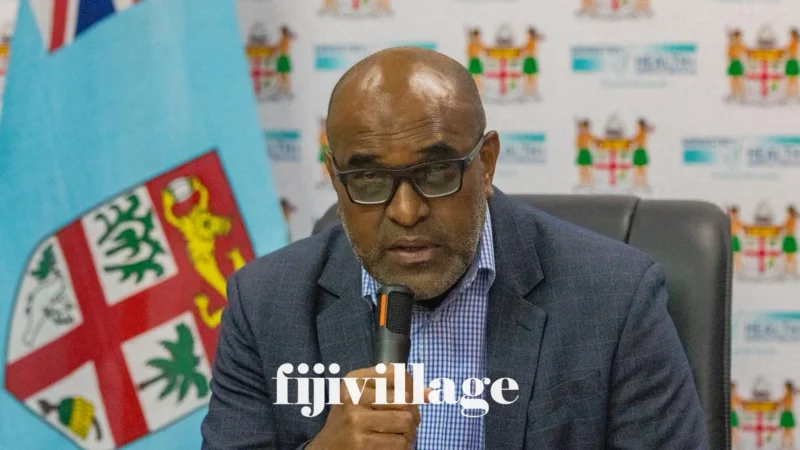
Dr Ratu Atonio Lalabalavu is warning people in Fiji to drink responsibly after saying alcohol intoxication can lead to unprotected sex and raise the risk of HIV transmission. He said alcohol itself is not the issue, but the behaviour that can follow when people become intoxicated.
The warning lands as Fiji keeps grappling with the Fiji HIV crisis and with the social fallout around it. Lalabalavu said people who are drinking should enjoy themselves responsibly because intoxication can lead to risky sexual behaviour, while continued awareness will stay part of the Ministry of Health’s outreach programmes.
The message is aimed at more than just alcohol use. The Government is working with Vanua, faith-based organisations and other stakeholders to address stigma and discrimination surrounding HIV, and Lalabalavu said those groups will matter even more if people turn to traditional or bush medicine after the declaration of HIV as a national crisis.

Dr Jason Mitchell pushed the warning further, saying Fiji needs an environment where people feel safe, protected and supported to access testing, treatment and care. He said increased media coverage has led some people to turn on communities affected by HIV, adding that Fiji cannot afford a vigilante approach on social media.
Mitchell also said stigma and discrimination can keep people away from services that already exist, including parents and other community members who may fear being judged if they seek help. He said children and adolescents are especially vulnerable, and that the harm reaches beyond the people directly living with HIV.
That is why he plans to ask the Cabinet subcommittee to ensure the HIV Board starts using its powers under the HIV Act on stigma, discrimination and privacy. In plain terms, those powers are meant to give authorities a way to act when people are shamed, excluded or exposed, not just advised to behave better.
The response now stretches across public health, community leadership and enforcement of basic protections. Lalabalavu said the issue will keep being discussed at committee level with Vanua, faith-based organisations and other partners, but the unanswered question is whether those talks will turn into firm action quickly enough to make people feel safe enough to come forward.