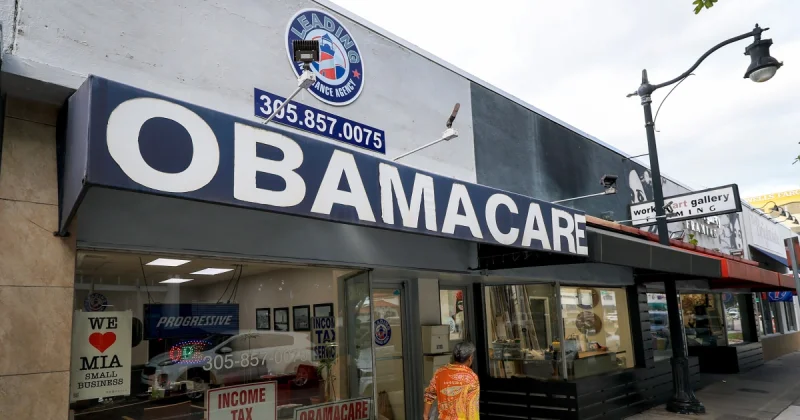
Open enrollment for the healthcare marketplace begins Sunday, Nov. 1, giving households a short window to review coverage and change plans before the first deadline hits. People who enroll or switch by Dec. 15 will have coverage take effect on Jan. 1, 2027.
That timing matters because the choices are not just about picking a policy, but picking one that will still work after a year of bills, prescriptions and doctor visits. Mychal Walker said open enrollment can be overwhelming and urged families to look back at their healthcare expenditures from the past 12 months, then compare those costs with expected needs for the year ahead.

The standard enrollment period runs through Jan. 15, and people who sign up after Dec. 15 but before that final deadline will see coverage begin on Feb. 1. Americans covered through Medicare have a separate open enrollment period that overlaps with the marketplace window, while many employer-sponsored plans also open around October and November, putting coverage decisions in front of households at the same time.
Walker said the smartest comparison goes beyond premiums alone. Households should weigh whether a plan fits their budget, how much they expect to spend over the next year and what services they are likely to need, because premiums from one year are not likely to match the next. He said rates are generally expected to rise because of inflation, higher provider costs and broader care and labor costs, which makes the shopping process more expensive even as it becomes more urgent.
That is the friction for families using HealthCare.gov or state-based marketplaces: the window is open, but the price tag is moving higher. The next hard date is Dec. 15, and for households trying to lock in coverage for Jan. 1, the countdown has already started.