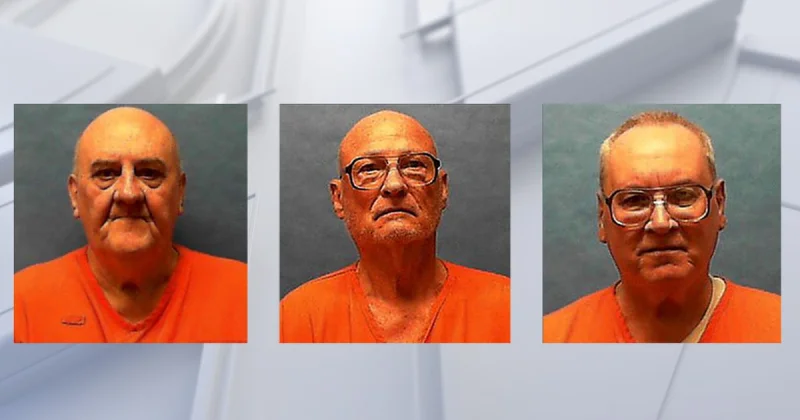
Gov. Ron DeSantis signed a death warrant on Wednesday for Curtis Wilkie Beasley, setting a Sept. 29 execution date for the 77-year-old man convicted in the 1995 killing of a Polk County woman. Beasley is now scheduled to die by lethal injection at Florida State Prison.
The warrant gives Florida another execution date in a year already defined by frequent use of capital punishment. Beasley becomes the 16th death row inmate in the state to receive a warrant this year, and Florida has already carried out 13 executions. Last year, the state set a modern era record with 19, a stretch that dates to the death penalty’s return in 1976 after a 1972 U.S. Supreme Court ruling halted it.

Beasley’s case has been in the system for decades. In February 1998, he was found guilty of first-degree murder, robbery and grand theft, and later that year a jury voted 10-2 to recommend that he die for the death of 62-year-old Carolyn Monfort of Dundee. Monfort’s body was discovered by her son on Aug. 24, 1995, with severe lacerations and bruising to her head and face, along with defensive wounds on her arms and hands. She was bludgeoned with a hammer in the laundry room of her home.
That history sits beside Beasley’s own words from a 1998 hearing before Circuit Judge Cecelia Moore. He told the court, “I did not kill Carolyn Monfort,” and added that he did not steal her car or her money. That denial has never changed the basic fact that the state is now moving him toward an execution date, while the sentence remains contested by people who argue that lifelong imprisonment is the better answer.
Michael Sheedy asked DeSantis to stay the execution of Harold Gene Lucas, and the governor has not agreed to prior requests from the Florida Conference of Catholic Bishops. DeSantis said during a July 28 appearance at the Florida Sheriffs Association Summer Conference at Trump National Doral that justice being served matters to many victims’ families. With Beasley’s warrant now signed, the remaining question is not whether Florida is willing to keep using capital punishment, but how many more death warrants the governor is prepared to add before Sept. 29 arrives.