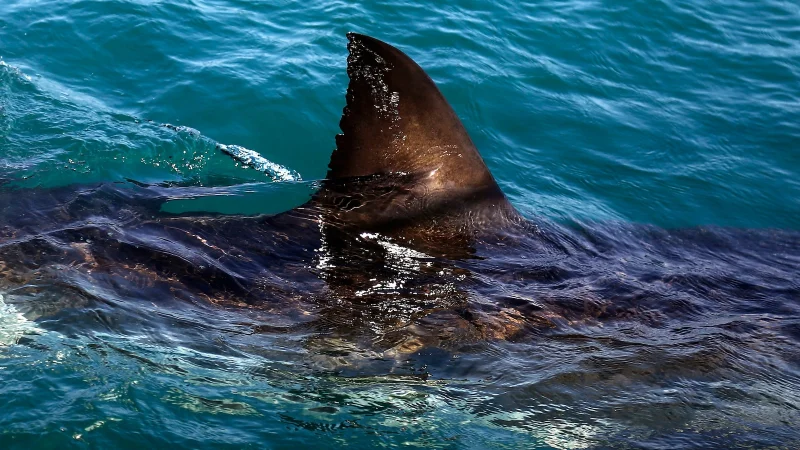
A shark killed Janine Lochrenberg while she was swimming off Orient Beach in KuGompo City on Tuesday morning, and police said they were called to the scene at about 7:00 am local time. Authorities later found the body of the 65-year-old woman with open wounds, and nearby beaches were closed soon after.
The attack happened at Orient Beach, a popular stretch on South Africa's southeastern coast, and officials said the public should stay out of the water. A local municipality said a shark attack at the beach had led to a tragic incident, putting swimmers and beachgoers on alert across the area.

Local media said Lochrenberg was a regular swimmer and had been in the water with a group when the attack happened. Other swimmers saw a shark's tail and fin, and a witness told public broadcaster SABC that the bites were very severe, with injuries to her thigh and upper arm. The severity of the wounds made clear how quickly the attack unfolded, and how little chance there was to help once it began.
Fatal shark attacks are uncommon worldwide, but South Africa has a long history of deadly encounters along its coastline. The University of Florida's International Shark Attack File counted 65 unprovoked shark bites worldwide in 2025, up from 47 the year before, including nine fatalities. It recorded one unprovoked attack in South Africa last year, and that attack was fatal. In 2025, the U.S. had 25 unprovoked attacks, including one fatal case, while Australia had 21, including five fatalities.
The coastline's record makes Tuesday's death feel both rare and familiar: rare because fatal attacks are unusual anywhere, familiar because South Africa has faced them before. In 2022, the country had two fatal shark attacks, including one in which a 39-year-old woman on vacation with her husband and young child was killed. What remains unknown is the shark species involved in Tuesday's attack, while the immediate next step for beachgoers is simple enough — keep out of the water until authorities say otherwise.