


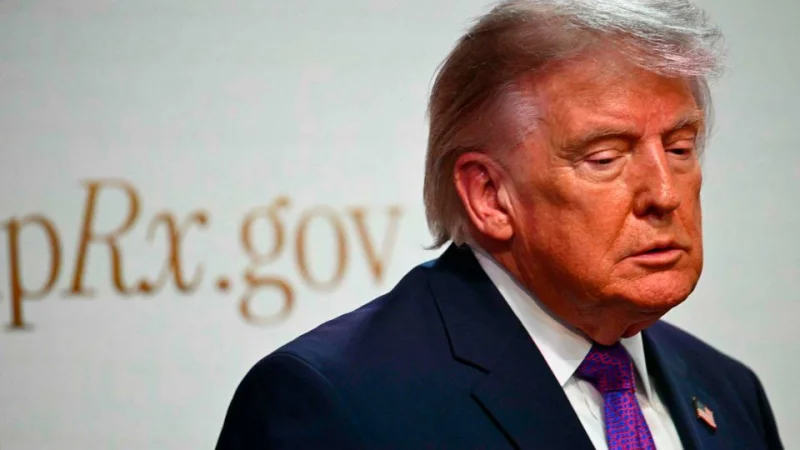
Ethics filings showed seven acquisitions of Eli Lilly shares worth up to $680,000 on Donald Trump’s behalf between 6 January and the end of March, part of a larger run of several thousand trades tied to stocks and bonds in the first quarter of 2026. The filings put the cumulative value of those trades at between $220 million and about $750 million.
The Lilly purchases landed as the administration was taking steps that benefited the company’s GLP-1 business during and just after the same period. The Centers for Medicare and Medicaid Services said it will expand access to GLP-1 medications, including Lilly’s Foundayo and Zepbound KwikPen, for Medicare patients, while the White House earlier this week said it would widen TrumpRx, its direct-to-consumer drug sales site, to include more than 600 generic medications.
That combination made the Lilly trades stand out inside a much broader portfolio. The filings also included securities linked to Apple, Boeing, Goldman Sachs, Meta Platforms, Microsoft and Nvidia, underscoring that the Trump-linked accounts were active across major U.S. companies and not just in health care. KFF Health News highlighted the transactions.
The administration first introduced TrumpRx in February, saying the site was aimed at lowering prescription drug costs. A White House fact sheet said it initially featured medications from the first five manufacturers to strike pricing deals with the administration, including Eli Lilly, and pointed patients to LillyDirect, the company’s telemedicine service. That is the policy backdrop behind the trades: a president’s portfolio was moving at the same time his administration was reshaping access to one of the most profitable corners of Lilly’s business.
The Trump Organization said the president’s investment holdings are maintained exclusively through fully discretionary accounts independently managed by third-party financial institutions, and said neither Trump, his family nor the organization plays any role in selecting, directing or approving specific investments. It also said trades are executed and portfolios are balanced through automated investment processes and systems administered by those institutions, with no advance notice of trading activity or input on investment decisions. The filings do not say who chose the Lilly purchases, only that they were made while federal policy was shifting in the company’s favor.
That leaves the central question in plain view: whether a portfolio that moves through outside managers and automated systems can be meaningfully separated, in political terms, from the policies unfolding around it. For now, the money is real, the timing is real, and the overlap between Trump’s holdings and Lilly’s regulatory tailwind is what gives the records their force.
