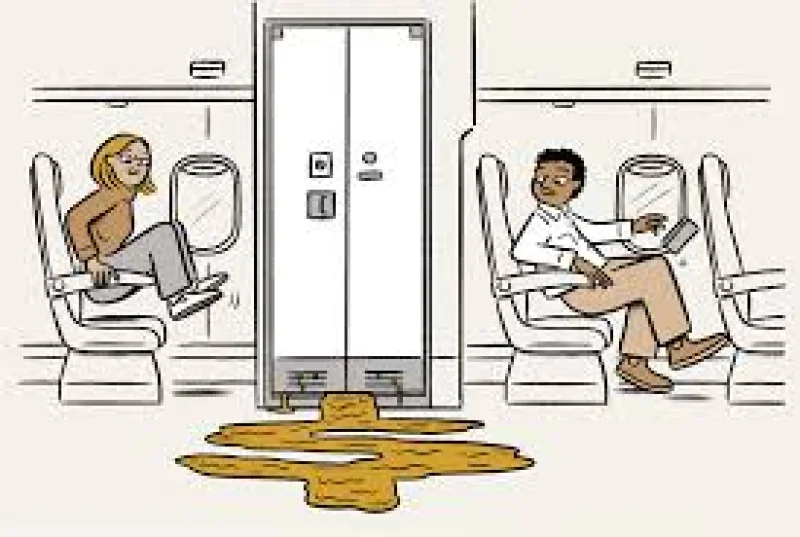
Turkish Airlines canceled an evening flight from Denver to Istanbul on May 30 after passengers were first told a mechanical problem had slowed the trip, then learned the aircraft was taken out of service after an overflowing lavatory. By the next morning, Neal and his wife had paid $512 for a room at the airport Westin, breakfast included, and they were trying to figure out whether the airline would cover it.
The sequence was messy from the start. Passengers boarded around 11:30 p.m., taxied to the runway, then returned to the gate before the flight was canceled around 1 a.m. Gate agents said no hotel vouchers were available and told travelers to find rooms, pay up front and submit receipts later. Neal did that twice, after calling the airline and being told to submit his hotel receipts online, but he said he got no response.

That silence matters because Turkish Airlines’ customer service plan says it pays for hotels only when the cause of a cancellation is under the carrier’s control. Mechanical problems usually fall into that bucket, while weather or air-traffic disruptions usually do not. The difference can decide whether stranded passengers get lodging, transportation and meals covered, and the major U.S. carriers except Frontier spell that out directly in their plans. Turkish Airlines’ policy for U.S. flights is looser, but it generally offers lodging for controllable disruptions.
Here, the explanation shifted. Passengers later heard and read in The Denver Post that the cancellation had been caused by an overflowing lavatory, and Turkish Airlines sent a message describing the disruption as force majeure. That label is important because the U.S. Department of Transportation gives airlines flexibility in deciding the main cause of a delay or cancellation, which leaves room for disputes like this one. In other words, the same event can be described in a way that either triggers hotel coverage or shuts it off.
Turkish Airlines had scheduled the flight for May 30, and the passengers flew out the next day. But the unanswered question is now narrow and concrete: whether the airline will reimburse Neal’s $512 hotel bill after he submitted his receipts twice. Until it does, the fight over this grounded plane is not really about a toilet; it is about who pays when an airline’s explanation changes the bill.