Turkish Airlines canceled its Denver-to-Istanbul flight on May 30 after a malfunction, leaving Neal and his wife to pay for their own overnight stay when the airline sent them away from the airport without hotel vouchers. He said the airline later blamed
The flight was delayed for several hours before passengers boarded around 11:30 p.m., taxied toward the runway, and then rolled back to the gate before it was canceled around 1 a.m. Gate agents told travelers there were no hotel vouchers available and said they should find rooms on their own and submit the receipts, which is how Neal and his wife ended up at the airport Westin with a $512 charge that included taxes and breakfast.

Neal said the airline had first told passengers the issue was a mechanical problem. Later, Turkish Airlines sent a message attributing the disruption to force majeure, a label that matters because the airline’s customer service plan pays for hotels only when the reason for the cancellation was under its control. Neal said customer service told him to submit his receipts online, and he did so twice, but he got no response.
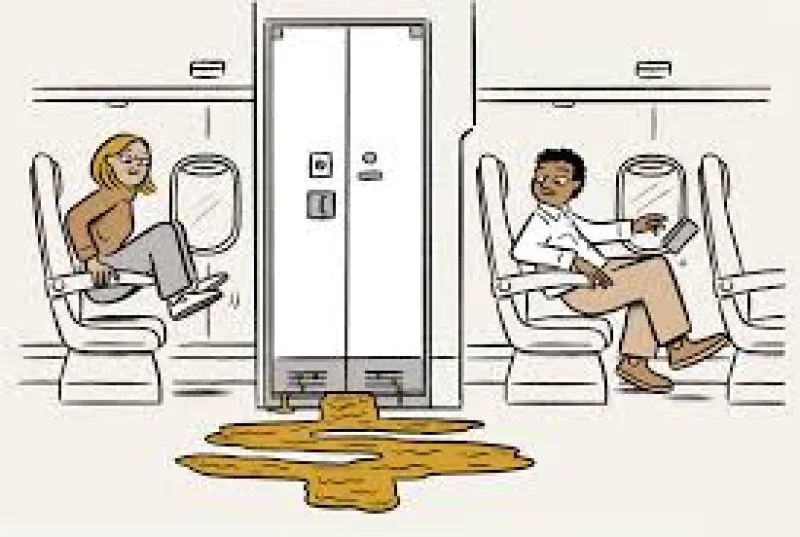
The gap between those two explanations is the heart of the dispute. Neal says the real cause was an overflowing lavatory, and the next day a report said that was the reason the flight was canceled. That matters because the airline’s policy for U.S. flights is looser than many others but still says lodging is generally offered for controllable disruptions. U.S. regulations do not require airlines to cover stranded passengers’ hotel costs, which leaves the fight to the carrier’s own rules and how it defines control.
That is why the details of this one flight matter beyond one night at a hotel. If the malfunction is treated as controllable, Turkish Airlines’ own plan points toward reimbursement; if it is treated as force majeure, Neal is left with the bill. There were no earthquakes, floods or hostilities in either Colorado or Turkey around that time, and Neal’s receipts have already been filed twice. What remains unanswered is the only question that counts for him now: whether Turkish Airlines will pay back the $512.