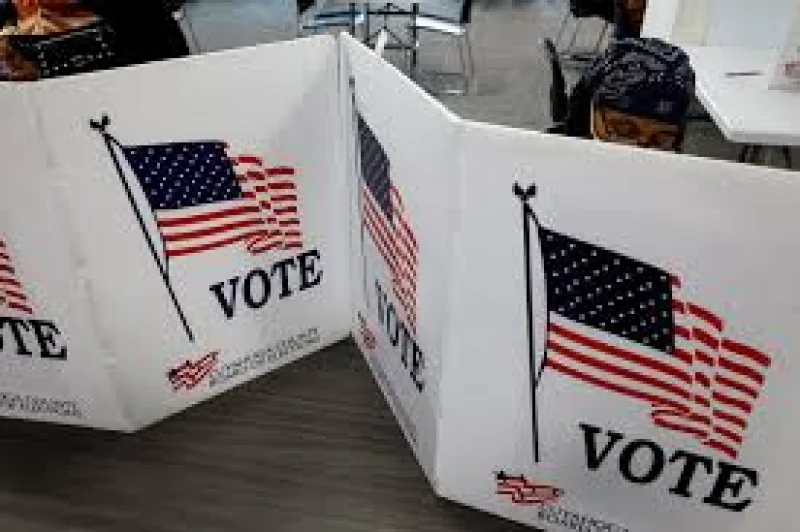
Voters who have already cast ballots and those heading to the polls on Tuesday are doing so with higher prices on their minds, from groceries and fuel to the cost of buying a home. President Donald Trump promised a better economy and a brighter financial future in 2024, but nearly two years into his second term, the bills most households notice first have not gone away.
That is why searches for votes so far are landing on the economy. The latest inflation report showed consumer prices rose 3.7% over the year through September and 0.6% from August, a pace that keeps affordability at the center of the midterm fight. The Consumer Price Index tracks prices across food, housing, medical care and transportation, so a change in that measure touches almost every weekly budget in one way or another.

The pressure is not the same for every household, and that is part of what makes this election feel so immediate. Diesel prices climbed from about $3.45 per gallon in early 2025 to a peak of $6.53 in October 2026, according to the U.S. Energy Information Administration. That jump matters beyond the pump. Higher energy costs can raise expenses for businesses moving groceries, packages and building materials, which can feed through to shoppers and renters even if they never buy diesel themselves.
There is also a more specific way Trump’s trade agenda is feeding the price debate. A New York Federal Reserve study found that his tariffs added about 2.9 percentage points to prices across the consumer goods researchers examined, and roughly one-third of that increase came from U.S.-made products because domestic manufacturers faced higher costs for imported materials and components. In plain terms, some of the pain is showing up in goods made at home, not just in imports, which makes it harder for voters to separate tariff policy from the prices they see at checkout.
That is the friction in this race: Trump campaigned on relief and prosperity, but fuel prices have surged, inflation has accelerated and buying a home remains expensive. Those costs are landing as voters in key battleground states make their choices, and the politics of blame may matter as much as the prices themselves. His escalating trade war with Canada could add still more pressure before the ballots are counted, leaving control of Congress tied to whether voters judge the economy by the promise they were given or the bills they are still paying.