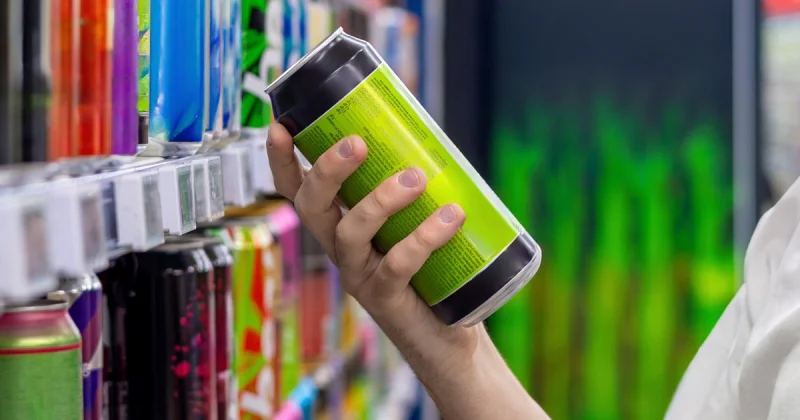
Preliminary research being readied for the American Heart Association’s Scientific Sessions 2026 found that caffeinated energy drinks and stimulant supplements showed up disproportionately often in FDA reports of serious cardiovascular events, including cardiac arrest and heart attacks. The signal was strongest among adults ages 18 to 34, the group most likely to be using these products regularly and the one now drawing the most scrutiny from clinicians.
The finding lands at a moment when sales of caffeinated energy drinks have more than doubled over the past decade and topped $20 billion in 2024, making the products a routine part of daily life for many young adults. That helps explain why the search interest is rising now: the question is no longer whether these products are on store shelves, but whether people who use them are paying enough attention to what is inside them.

Sai Samayamanthula, who helped lead the work, said many healthy people probably face only a small risk if they consume the products occasionally. But he also warned that regular use can push people past the recommended daily caffeine limit, especially because some energy drinks contain as much as three times more caffeine per fluid ounce than brewed coffee and some pre-workout supplements contain more than 12 times as much. A 2026 American Heart Association Scientific Statement said up to 400 mg of caffeine a day is generally safe for most adults, or about five 8-ounce cups of regular black coffee.
That is where the study’s friction point sits. These products appeared more often in serious event reports, yet the strongest caution applies to frequent users, not necessarily to every person who drinks one occasionally. The analysis compared reports tied to caffeine- and stimulant-containing products with reports involving other FDA-regulated foods and dietary supplements, and the products do not go through the same premarket safety testing required for medications. In that setting, a report database can point to a safety signal, but it cannot by itself prove that the drinks or supplements caused the heart event.
Samayamanthula said healthcare professionals should ask younger patients with palpitations, chest pain or fainting spells whether they recently or regularly consume these products. That advice matters because the pattern is not being treated as a final verdict, only as a reason to watch more closely. The work was done independently, using government safety reports from people ages 13 or older between 2017 and 2025, and it is scheduled to be presented in Chicago from Nov. 6 to Nov. 9, 2026. The unanswered question is how many of those reports will hold up under closer clinical review once the discussion moves from a safety database to the bedside.