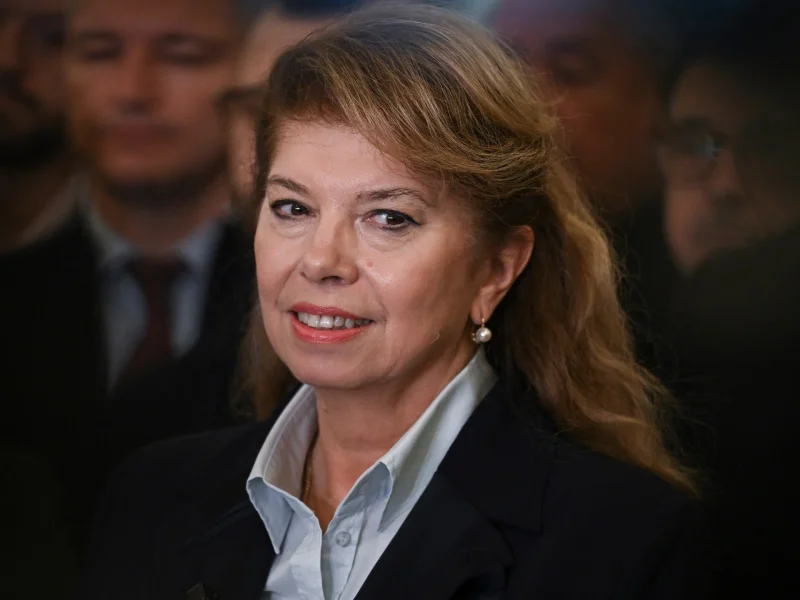
Iliana Iotova emerged as the apparent winner of Bulgaria’s presidential run-off on Sunday, with several polling agencies putting her on 58 percent of the vote against about 38 percent for Andrey Gyurov. Official results were expected on Monday as ballots were still being counted for a race that could make Iotova the country’s first elected female head of state.
The search around when is the presidential election is tied to the narrow timing of the count: the first figures came on Sunday, but the final word was due the next day. Exit polls put voter participation at about 27 to 29 percent, after a first-round race last week that drew a record-low turnout of 23 percent. In a country where the presidency is largely ceremonial, the numbers still carried political weight because they pointed to who would occupy the office after January, when Iotova took over as acting president.

Krassimira Kostova said she did not like either candidate, but voted anyway. That mood fit a contest shaped less by enthusiasm than by resignation, with many voters weighing two sharply different messages. Iotova argued that peace can come only through negotiations and said she wanted Bulgaria to be strong in a strong Europe and sovereign in its decisions. Gyurov, backed by the pro-Western opposition, said Russia must stop its aggression so the next steps could be taken.
The fault line mattered because the campaign took place after drone attacks last month on commercial vessels off Bulgaria’s Black Sea coast left 21 people missing. Both candidates condemned those attacks, but they differed on the wider answer: dialogue and restraint on one side, harder pressure on the other. European Commission President Ursula von der Leyen congratulated Iotova on X, while Gyurov said the results had to be accepted as they stood, leaving Monday’s official count to confirm whether the apparent winner held her lead or whether the final tally altered the picture.
If the count matched the early figures, Bulgaria would wake up with a new president in place, even if the office itself remains mostly symbolic. If it did not, the run-off would offer a blunt reminder that low turnout can still leave a close political race unsettled until the last ballot is included.