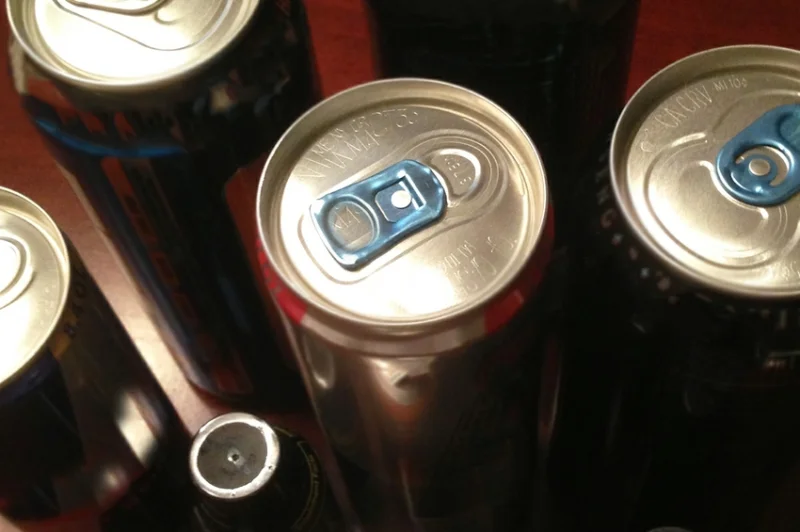
Preliminary research to be presented at the American Heart Association’s Scientific Sessions 2026 found that caffeinated energy drinks and stimulant supplements appeared disproportionately often in FDA reports of serious cardiovascular events, including cardiac arrest and heart attacks. The pattern showed up most clearly among adults ages 18 to 34.
The finding is drawing attention now because the study will be presented Nov. 6-9 in Chicago, and it adds a cautionary note to a market that has more than doubled over the past decade and topped $20 billion in sales in 2024. Sai Samayamanthula, who worked on the analysis, said these products are often treated like harmless convenience items. He said they are marketed as everyday pick-me-ups and sold beside soda and bottled water, which can make their risks easy to miss.

The independent analysis used reports in a government safety database from 2017 to 2025, comparing reactions tied to caffeine- and stimulant-containing products with reports involving other FDA-regulated foods and dietary supplements, including soft drinks, meal replacement shakes, protein bars, smoothies and vitamins. Researchers also noted a built-in regulatory gap: the FDA treats energy drinks and stimulant supplements as foods or dietary supplements, not medications, so they do not have to pass the same premarket safety testing required for drugs.
That gap matters because the caffeine content can stack up fast. The American Heart Association says up to 400 mg of caffeine a day is generally safe for most adults, equal to as many as five 8-ounce cups of regular black caffeinated coffee. Some energy drinks carry as much as three times more caffeine per fluid ounce than brewed coffee, and some pre-workout supplements contain more than 12 times as much. Samayamanthula said occasional use is probably low risk for many healthy people, but regular use can quickly push consumers past the daily limit and raise the chance of cardiovascular harm.
The study does not prove the products caused the reported events, but it strengthens the case for more systematic safety monitoring of caffeine- and stimulant-containing products. It also points to a practical next step: healthcare professionals should ask younger patients with palpitations, chest pain or fainting spells whether they recently or regularly consume these products. In a category that is still growing quickly, the unanswered question is not whether people are buying more of these drinks and supplements. It is how many serious heart events are being missed until after they reach the safety database.