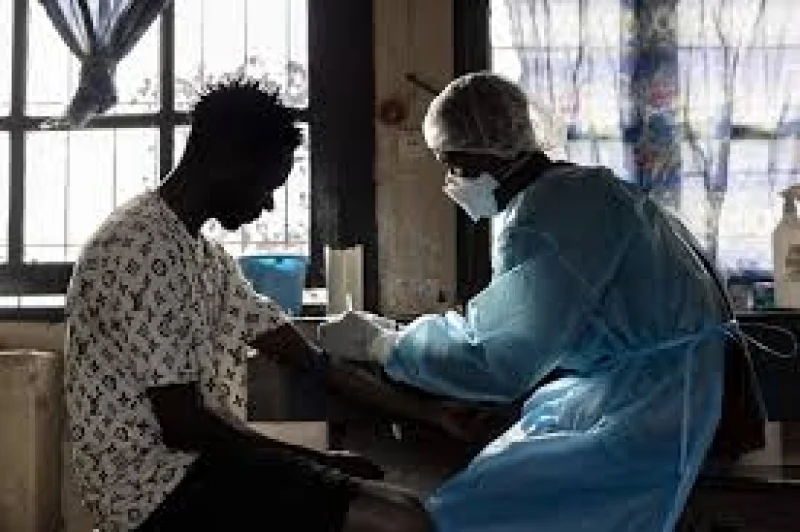
The Ebola outbreak has passed 10,000 cases and reached 4,887 deaths, and Jean Kaseya is warning that it could spread beyond Africa if countries do not move faster on screening and preparedness. The Africa Centres for Disease Control and Prevention director general said he does not want the UK and other countries to become the next hotspot.
That warning lands now because the outbreak has reached 10,091 cases, with 10,060 of them in DR Congo, where the crisis began to widen after health authorities declared an outbreak in Ituri province on 15 May. Sequencing later showed the outbreak had started in February, and what began as a local emergency has now spread into east Africa, with Kenya and Uganda affected, while Nigeria and France have each recorded a case linked to travel from the region.
Kaseya said this is the first time three African regions have been affected by Ebola, calling the geographic spread unprecedented. He said the risk is no longer confined to one country or one border. It is the kind of outbreak that can move if governments wait too long, which is why he is pressing them to raise readiness at points of entry and exit, and to test and screen people coming from affected regions before the virus moves again.

The warning also carries a sharper edge because it cuts against the false sense of security that can build before a crisis reaches home. Kaseya drew a line to the Covid pandemic, saying some countries once believed they faced zero risk until they became the hotspot months later. He said countries outside Africa should not assume distance will protect them now, and that the lesson is to prepare before the virus arrives, not after.
The scale of the outbreak helps explain the urgency. It is the 17th Ebola outbreak in DR Congo since the disease was identified, but it has become the largest and deadliest in the country’s history. The Bundibugyo virus has no approved treatment, although vaccine trials are under way and Kaseya said results should be available in three to six months. That still leaves a long gap between the present danger and any answer that might change it.
The response has also been strained by conditions on the ground. Protective equipment has been inadequate, health worker wages have gone unpaid, and conflict in DR Congo, mistrust toward officials, misinformation and global aid cuts have made the job harder. Two people have died in Uganda and two in Kenya, while the outbreak has now spread far enough to force a wider international conversation about border controls and health system readiness.
Kaseya will convene African health ministers on Wednesday, where he plans to press for more screening and testing at borders. He will then take the issue to African heads of state in November, when he is expected to call for a corridor of peace in conflict areas. For now, the numbers point to a crisis that is still growing, and the warning is that the next place it reaches will not have the excuse of surprise.