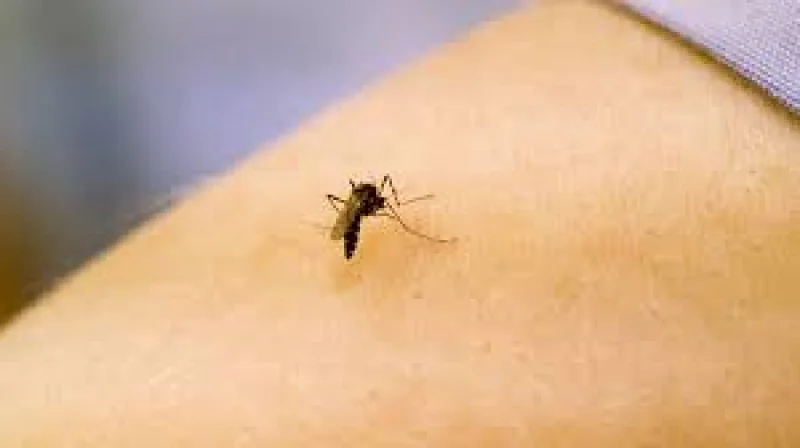
Two adults from central North Carolina have died after contracting West Nile virus, a grim turn in a state where health officials had reported 11 human cases by October 6. The deaths put fresh weight on a virus that can move quietly at first and then turn severe.
The people most at risk are older adults and those with underlying health conditions, who are more likely to face serious illness or death. In this outbreak, the numbers are small but the outcome is stark: two deaths among 11 reported human cases, a reminder that even limited spread can carry severe consequences.

West Nile virus can be difficult to stop once it is circulating because there are currently no human vaccines or specific treatments available. That leaves prevention as the main defense, and the advice is practical: use DEET or an equivalent insect repellent on exposed skin, wear long sleeves and long pants, choose permethrin-treated clothing, limit outdoor activity between dusk and dawn, use window and door screens to keep mosquitoes out, and eliminate standing water where mosquitoes breed.
That gap between a virus that can kill and a medicine cabinet with no direct answer is what makes the latest deaths so unsettling. The state has recorded 11 human cases as of October 6, but the report does not identify which central North Carolina communities were affected by the two deaths, leaving the broader warning intact and the local picture incomplete.
What comes next is not a new treatment or vaccine. It is the same prevention campaign, pressed harder now by the knowledge that West Nile virus has already claimed two lives in North Carolina this season.