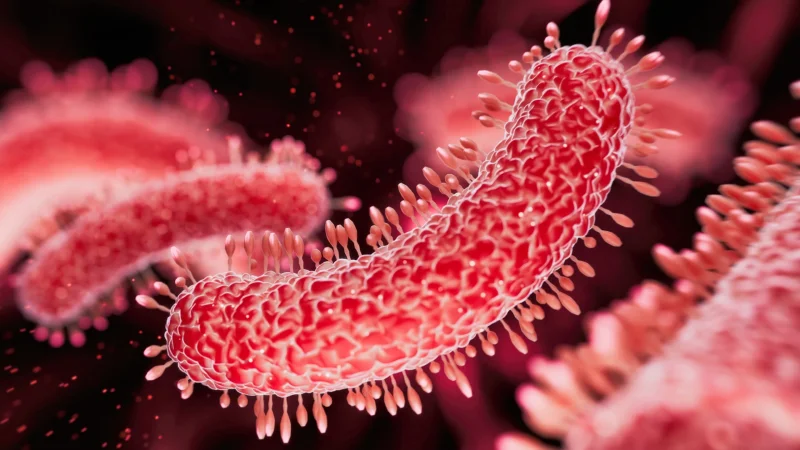
Drug-resistant Shigella has changed from an uneasy nuisance into a harder-to-treat infection in the US, and it is now moving more often through sex. The CDC says resistant strains rose from 0% in 2011 to 8.5% in 2023, a shift that has made the disease a sharper problem for adult men, especially gay and bisexual men and other men who have sex with men.
That matters because Shigella infects nearly half a million people in the US every year, and it can hit fast. The bacteria can cause diarrhea with blood or mucus, stomach pain, cramps, fever and vomiting, and as few as 10 organisms can be enough to make someone sick. In severe cases, it can dehydrate the body, trigger shock or lead to internal bleeding and infection.

The rise is drawing more attention now because scientists are seeing signs that sex may be the main route of transmission today, even though Shigella can also spread when infected poop gets into the mouth through ill-washed hands, tainted food or water. A study in July found sexual spread grew 15% faster year over year between 2015 and 2020 than spread through travel, food or nursery outbreaks, but it is hard to know how much of today’s burden is sexual because that question is not always asked when patients seek care.
Kate Baker said many men who have sex with men are unaware of the serious and increasing risk posed by sexually transmitted Shigella. She said the disease has gone from being relatively treatable with off-the-shelf drugs to being close to untreatable over the last decade, a change that helps explain why a problem once seen as manageable is now showing up in a more resistant form.
There is still a gap in the public picture. The CDC has shown that most drug-resistant Shigella cases affected adult men, and research shows people who contracted the infection through sex were hospitalized for four to five days on average, but the specific resistant strains driving the 2023 figure are not laid out here. What is clear is that Shigella is no longer spreading only through the old routes, and the mix of sexual transmission and rising drug resistance is making each new case harder to dismiss.