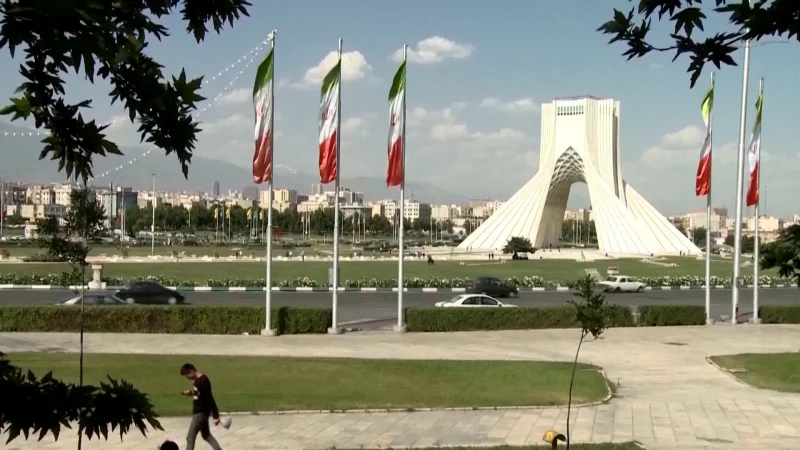
Iran said on Monday it will use all available means to counter a U.S. naval blockade tied to the Strait of Hormuz dispute, escalating a confrontation that now runs through sanctions, port restrictions and sea lanes. Esmaeil Baqaei said Tehran would not tolerate the measures and would respond to what he called U.S. aggression.
The statement landed because the Strait of Hormuz is vital to global energy supplies, and the latest move turns a regional dispute into a risk for markets far beyond Iran and the United States. Tehran says Hormuz could be open within two days if Washington accepts its demands, including lifting the blockade, while the United States says its steps are retaliation for Iran's own attempt to shut the waterway.

Baqaei called the American moves an economic sanctions package, an economic blockade and a naval blockade, and said they amount to military aggression against Iran. He said Iran is entitled under Article 51 of the U.N. Charter to use any means at its disposal to defend itself. That is the legal language Tehran is using to frame the confrontation, even as the practical fight has widened beyond ships in the strait.
The United States has already answered with a counterblockade of Iranian ports, then added economic sanctions and a task force meant to disrupt land routes into Iran. That gives the dispute a two-front shape: pressure at sea and pressure on overland movement, each side saying the other started it. Iran is presenting the U.S. blockade as an act of war; Washington says it is responding to Iran's effort to block the strait first.
Elsewhere in the region, the wider Middle East war keeps feeding the sense that the fronts are linked. In Debl, Lebanese officials denounced a visit by Israeli military spokesperson Ella Waweya to a school, and Lebanese Prime Minister Nawaf Salam accused Israel of dragging students into a military and propaganda display. Lebanon says Israeli attacks since March have killed more than 4,300 people, while Houthi media said on Monday that a Saudi attack killed four people and wounded 18 in Hodeida. For now, the question is not whether the Strait of Hormuz matters. It is whether the next move comes from the sea, the ports or the list of demands Tehran says could reopen the waterway within two days.