Sea surface temperatures in the tropical Pacific have climbed to record levels this fall, pushing the temperature in the El Niño zone 6.1 degrees Fahrenheit above normal and setting up what forecasters say could be one of the strongest events in decades.
The National Oceanographic and Atmospheric Agency says there is a 90% chance of a very strong El Niño this fall and winter, and a 75% chance it turns historic, larger than any since 1950. NOAA's own index data suggests this season is already the second-biggest anomaly on record for July through September, even before any added effect from global warming. Abby Frazier said that with conditions strengthening this fast, “super El Niño” feels like the right description.
That matters now because the Pacific pattern is already starting to influence the weather map that normally shifts in winter. El Niño forms when winds near the equator slacken and the upwelling of cold water in the eastern Pacific Ocean stalls, and it can drive up global average temperatures, fuel marine heat waves off the U.S. West Coast and dampen the Atlantic hurricane season. It often pushes the jet stream southward, changing where storms and rain fall.

UNICEF said Tuesday that its analysis suggests hundreds of millions of children could be exposed to dangerous conditions because of the pattern. Catherine Russell said over 347 million children live in areas expected to face drier or wetter conditions, and that El Niño is expected to worsen water shortages, malnutrition and disease outbreaks. The group's warning points to the scale of the problem: some regions will be hit by drought, others by deluges and flooding, and the knock-on effects can stretch into food supplies and public health.
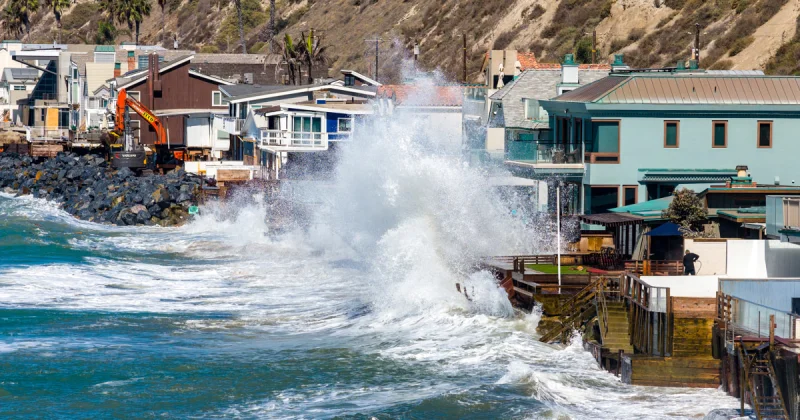
That is the contradiction inside the story. El Niño is a natural climate pattern, but this one is strengthening to record levels, and NOAA says it could become larger than any since 1950. The same weather shift that can bring intense rainfall and storms to the Southeast, rob the Pacific Northwest of snowpack and water, and batter the U.S. West Coast with unusual beach erosion can also squeeze agricultural economies and push up grocery prices for goods such as rice, coffee and chocolate.
The biggest unanswered question is not whether El Niño will have effects, but how far they spread and who gets hit hardest. The next NOAA forecast will show whether the tropical Pacific keeps heating toward that historic threshold, and whether this season's temperature spike becomes a weather event that reshapes lives far beyond the ocean where it began.