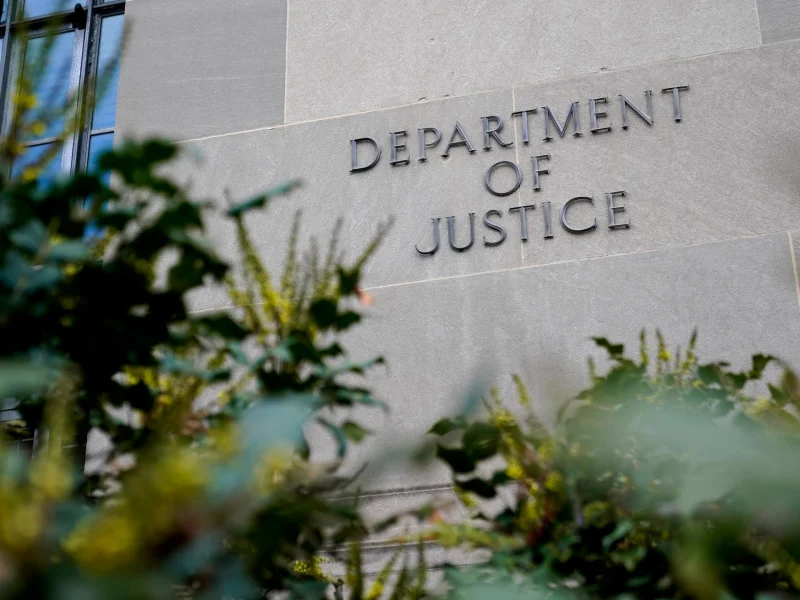
The United States Department of Justice filed 40 new cases seeking to strip naturalised Americans of their citizenship, a step federal prosecutors said was aimed at people accused of money laundering, child sexual abuse, visa fraud and tax evasion. Todd Blanche said Monday that the filings marked the largest denaturalization effort in modern history.
The announcement is drawing attention because it puts the government’s broadest citizenship challenge in years on the record at once. The cases were filed from late August through early October, and the people targeted include individuals from Mexico, Pakistan, China and Sierra Leone. Two of those cases also involve allegations of espionage on behalf of China, pushing the effort beyond ordinary fraud claims and into national security territory.

The Justice Department says the cases rest on the idea that the people involved concealed criminal acts and other facts about themselves when they applied for citizenship. Prosecutors say those crimes largely happened before the oath was taken, which they argue means the applicants lacked the good moral character required to become citizens. Under US law, courts can strip citizenship from people born outside the country if they wilfully concealed a material fact during the application process that would have otherwise disqualified them.
That legal test matters. The government must show not only that a fact was hidden, but that it was material enough to change the citizenship decision. The cases are aimed at people accused of serious offenses, yet human rights groups warn that widening denaturalisation proceedings could leave some people stateless if citizenship is taken away and no other country accepts them. Last year, the Trump administration signaled it would seek to denaturalise large numbers of Somali Americans after allegations in Minnesota involving daycare fraud, showing how far the push had begun to spread.
Denaturalisation is not new. The US used it after World War II against people accused of concealing Holocaust involvement or war crimes, and Emma Goldman was denaturalised and deported to the Soviet Union after being jailed in 1917 for antiwar activities. But the practice became far less common after the end of the Cold War, which is why this latest round stands out. The question now is whether the government can prove in each case that the alleged concealment was both intentional and material enough to justify taking away citizenship.