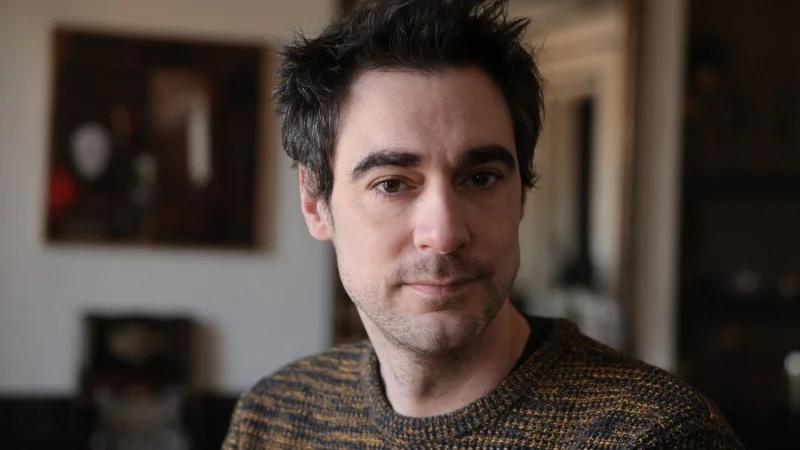
Arnaud Denis said on Facebook, just hours before his euthanasia in Belgium, that his death was “une délivrance” after “trois ans interminables” of suffering. The 43-year-old comédien and metteur en scène said the pain had become unbearable and linked it to an anti-hernia implant.
That post is why his name is being searched now. Denis did not present his death as an isolated choice, but as the end of a long medical ordeal he said began years earlier and later led to a diagnosis of Encéphalomyélite myalgique, also called syndrome de fatigue chronique. He described the disease as a severe, disabling condition that had stripped him of normal life.
He wrote that no one had the right to judge him, and said people would have to live six months in the body of a patient with severe Encéphalomyélite myalgique to understand “l’horreur absolue.” He also said the medical profession in France and in the world denied the suffering of people with the disease, adding that it affected millions, including young people and children, who survive bedridden in the dark in deplorable conditions.

The illness he named is recognized as a chronic, complex and disabling disease marked by a major and lasting fall in physical and cognitive abilities. Fatigue is not eased by rest, and one of the clearest signs is post-exertional malaise: symptoms can worsen sharply after physical, intellectual or emotional effort, sometimes only several hours later and for several days or longer. Patients may also face sleep disorders, trouble with concentration or memory, and pain.
That clinical picture is part of what makes Encéphalomyélite myalgique so hard to pin down. Its cause remains poorly understood, there is no biological test that can confirm it on its own, and diagnosis depends on symptoms and on ruling out other illnesses with similar signs. There is also no established curative treatment, so care is tailored to each patient and focuses on easing symptoms and avoiding overexertion.
Denis’s final message leaves one painful fact in place: he believed his suffering had been dismissed long before it ended. He said his death was a release from three years of degradation, but he did not identify the exact implant or describe the full chain of treatment that led him to choose euthanasia in Belgium.