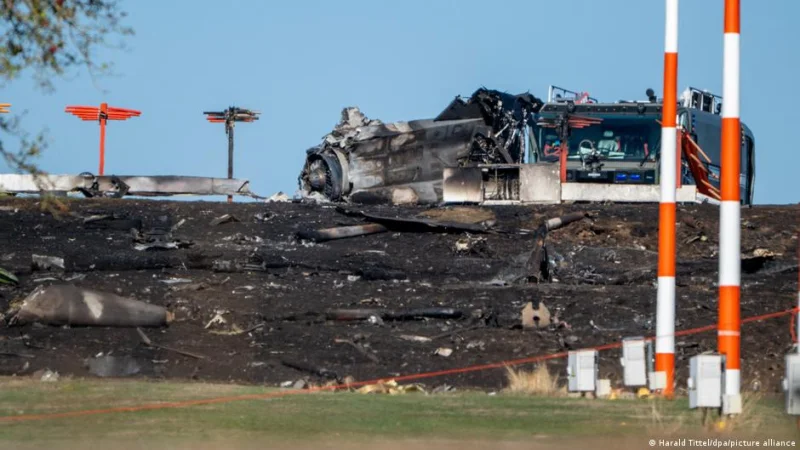
A U.S. Air Force F-16 Fighting Falcon crashed at Spangdahlem Air Base in Germany on Tuesday, and the pilot ejected safely at about 2:30 p.m. local time. The aircraft was assigned to the 52nd Fighter Wing.
The crash put the word Air Force back in the headlines because the jet went down at a U.S. base in Germany, where safety on the ground was immediately a concern as well as the fate of the pilot. The pilot is receiving medical care in Germany, but the wing said the extent of the injuries remained unclear.
No ground personnel were reported hurt, and emergency services from the Eifel district of Bitburg-Prüm were deployed to the crash site on the base. Residents near Spangdahlem reported seeing a large plume of smoke after the crash, a sign of how quickly a routine flight can turn into an emergency in a place built around military aviation.

A German public broadcaster, citing German Air Traffic Control, reported that the crash happened after a training exercise, but the cause has not been provided. That leaves the central question open for the investigators now looking at the wreckage: whether the jet failed during the exercise itself, on the way back, or for some other reason that has not yet been made public.
Spangdahlem is home to the 480th Fighter Squadron, which operates more than two dozen F-16 Fighting Falcons, and it has also been used by U.S. aircraft stopping en route to the Middle East during the war with Iran. For now, the immediate damage appears limited to the aircraft itself, but the investigation launched by the 52nd Fighter Wing will determine whether Tuesday's crash points to a wider problem or a one-off failure.
For the pilot, the most important fact is already known: he got out. What remains unresolved is how badly he was hurt and what caused the fighter jet to come down at one of the U.S. Air Force's busiest bases in Germany.