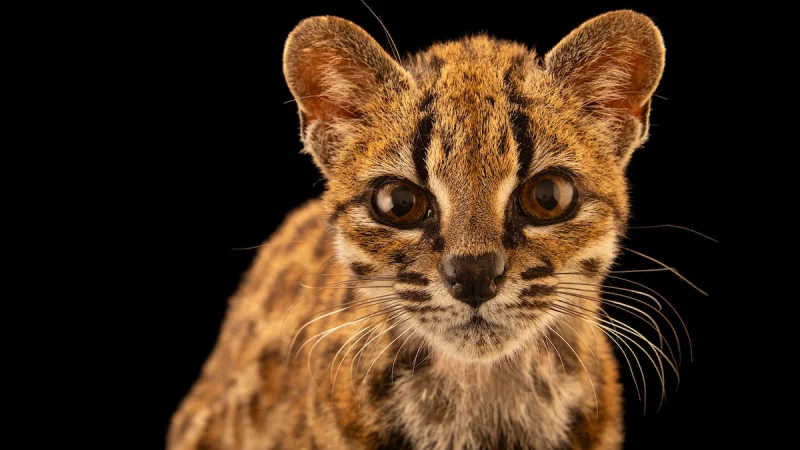
Researchers have proposed a new cat species from Bolivia after genetic analysis showed that a small spotted wildcat once assumed to be Leopardus tigrinus belongs on its own branch of the family tree. The animal has been named Leopardus tilcayo, and the study describes it as the first new felid species discovered in more than 100 years.
The name traces back to a cat that first came to Paola Nogales-Ascarrunz in 2017, when a local wildlife sanctuary called about a strange animal found as a kitten on a road near a forest. A local man had kept it at home for about a year before bringing it to Senda Verde wildlife sanctuary, where Nogales-Ascarrunz saw a small, scrunched-up face, short round ears, long whiskers and leopard-like spots. She said she took a hundred pictures of it because she was so fascinated.

That attention mattered because the cat did not fit the picture of the species it had been assigned. In 2019, Nogales-Ascarrunz realized it did not match a guidebook reference photo from neighboring Brazil, and that mismatch pushed the work beyond observation and into genetics. The team worked with Eduardo Eizirik and Jonas Lescroart to place the animal on the cat family tree, and the result was a distinct lineage rather than a known one that had been overlooked.
The older label had carried real weight. Leopardus tigrinus was described in 1775 from a single illustration of an animal seen in French Guiana, then presumed to range across Central and South America, including Bolivia. That broad assumption helped hide the Bolivian cat in plain sight for years, because it looked close enough to fit an existing box until the genome data said otherwise. Once the analysis was strong enough to separate the animal cleanly, the case for a new species became hard to ignore.
What Nogales-Ascarrunz and her colleagues could not yet answer is the part that often follows discovery and takes much longer to solve. They do not yet know what Leopardus tilcayo eats, what eats it, or how it reproduces, and scientists say it lives in Bolivia’s Yungas forest ecoregion on the eastern slope of the Andes Mountains. Even the name carries an unfinished note: when researchers asked local people why they called it tilcayo, they were told, in effect, that the word had simply been passed down from grandparents. For now, the cat is no longer a mystery species hiding inside another name. It is a new one, and the next work begins with everything still unknown about how it lives.