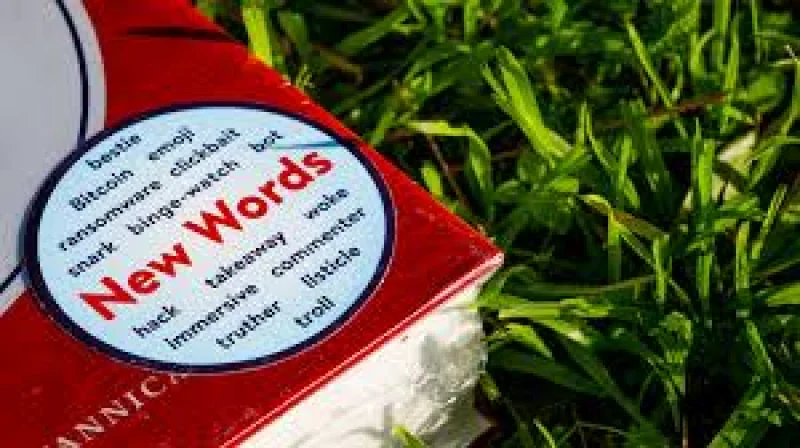
Merriam-Webster has added 1,400 new words and definitions to its online Dictionary, a sweep that brings internet slang, artificial intelligence terms and food and relationship language into formal view. The update includes looksmaxxing, parasocial, meme coin, promposal, Rickroll, vibe coding, AGI, compute, uncanny valley, superfood, cake pop, shishito, bao, chili crisp and cuffing season.
The timing matters because people do not wait for a dictionary to catch up before they start using a word. They search for it when a term has already moved from niche corners of the internet into everyday speech, which is exactly the territory Merriam-Webster is trying to map here. The company said the additions reflect terms and meanings that have shown widespread use over time, and described the update as a window into the world today.

That approach explains why the list ranges from online behavior to dinner plates. Looksmaxxing refers to efforts to improve physical appearance. Parasocial describes the one-sided connection someone feels toward a public figure or media personality. Rickroll, tied to Rick Astley’s Never Gonna Give You Up, is the prank that sends an unsuspecting user to his 1987 music video. Vibe coding, AGI and the new noun form of compute sit in the artificial intelligence category, while uncanny valley captures the uneasy feeling that comes from something artificial that looks almost human.
The update also reaches into other parts of daily life. Cuffing season is the stretch when single people look for short-term romantic partners during the colder months. Superfood, cake pop, shishito, bao and chili crisp round out a list that shows how quickly internet culture, food trends and relationship talk can become ordinary enough to land in a dictionary. What Merriam-Webster has not done is publish a full public breakdown of all 1,400 additions, leaving the exact edges of this update to be discovered word by word.
So the story is not just that the Dictionary grew again, but that it grew in the direction of current life. The gap now is not whether these words are real enough to use. It is which ones are common enough to last, and which newer terms will be waiting for the next round.