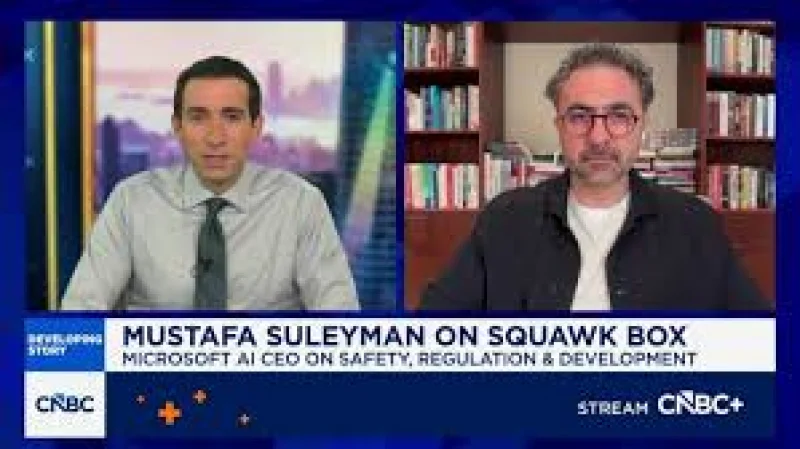
Microsoft on Monday unveiled a draft Humanist AI Code of Conduct, laying out the principles that will govern the development of its AI models and giving the company six weeks to hear feedback before it publishes a revised version before the end of 2026. The document is meant to guide Microsoft’s MAI Models and the controls, monitoring systems and internal culture that support them.
The release explains why Mustafa Suleyman is suddenly back in the spotlight for anyone tracking Microsoft’s AI plans. The company said the code is intended to make sure humans retain meaningful control over AI, and it tied that goal to model development that will shape 2027 and beyond. Microsoft also said its superintelligence work, launched in November 2025 with humanist principles in mind, was built around the same idea.

That framing matters because Microsoft is not just talking about cautious product design. It is writing about a technology it calls the most powerful in history, while saying it expects superintelligence to exceed human performance at most tasks over the next decade. In the company’s telling, AI should help people live healthier, happier and more productive lives, but that promise sits beside a much sharper warning: systems this capable cannot be allowed to drift beyond human control.
Microsoft’s draft tries to bridge that gap by making the code of conduct the primary governing document for how it trains MAI Models, the technical controls it builds, and the systems it uses to monitor them. The company also said defining what AI systems must not do matters as much as its optimism about the benefits they may bring, a signal that the rules are meant to be as limiting as they are aspirational.
That leaves the most important question open for now: what, exactly, will change in the revised version after the six-week feedback period ends. Microsoft has already said the principles will guide model development in 2027 and beyond, so the next draft is likely to tell the market much more about how far the company is willing to go in setting boundaries for its own AI ambitions.