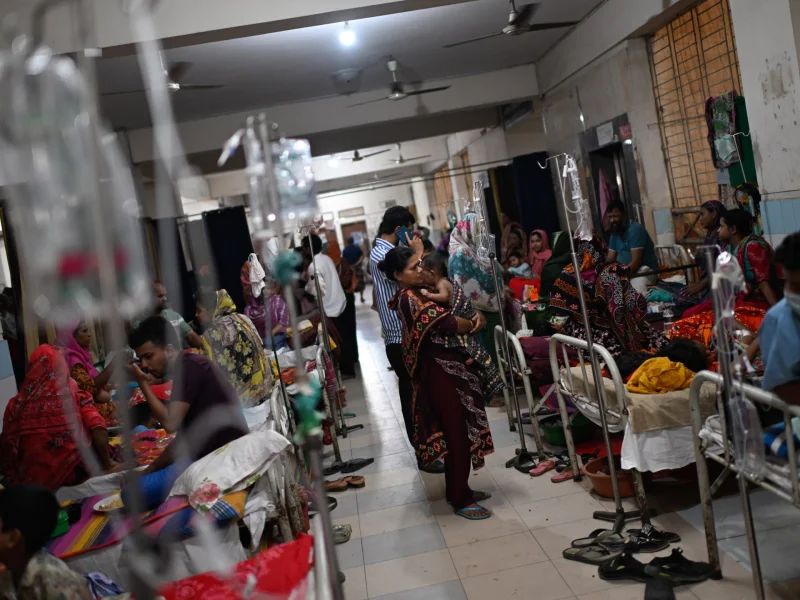
Bangladesh recorded 1,009 measles deaths by September 9, a grim toll that kept climbing even after health workers delivered 19.75 million vaccine doses in an emergency campaign meant to reach 18 million children. The outbreak has run on in children across the country, turning what began as a vaccination push into a race against a spreading disease.
That is why people are searching for measles symptoms now: the illness has been moving through Bangladesh fast enough to overwhelm the picture created by national coverage figures. The campaign began in April after the country notified the World Health Organization on April 4, but cases had already begun rising markedly in January 2026 and surged through March, forcing families and doctors to look for fever, rashes and the warning signs that can turn urgent within days.
The death toll is especially stark because Bangladesh had recorded just 132 measles cases last year and no deaths. This year’s count by September 9 included 100 laboratory-confirmed deaths and 909 suspected measles deaths, showing how quickly the outbreak grew beyond the first tally and how hard it has been to pin down every fatal case in real time.

One of those deaths was Saif Hasan, a one-year-old from Shariatpur in southern Bangladesh. He developed a fever and rashes days after receiving his first measles-rubella vaccine, then died within minutes of being taken into intensive care at Dhaka’s Infectious Diseases Hospital on August 27. Shrebash Paul said Hasan was likely infected before the vaccine had time to protect him and that the infection then aggravated his underlying condition.
The numbers also show why a national campaign can still leave children exposed. Bangladesh’s 2023 Coverage Evaluation Survey found first-dose measles-rubella coverage had fallen from 88.6 percent in 2019 to 86 percent in 2023, while second-dose coverage dropped from 89 percent to 80.7 percent. Those levels are below the roughly 95 percent needed to stop transmission, and UNICEF has pointed to misinformation and vaccine hesitancy among the reasons children missed shots. Bangladesh had also gone without a nationwide supplementary measles-rubella campaign since December 2020 to January 2021, after routine immunisation was disrupted during COVID and later hit by vaccine shortages linked to procurement delays in 2024 and 2025.
The unresolved problem is not whether Bangladesh vaccinated a large number of children. It did. The question is where the remaining pockets of susceptible children are hiding after a campaign that reached 19.75 million doses but still left the country counting 1,009 deaths. National figures can look reassuring even as outbreaks keep moving through communities where protection never got high enough to break the chain.