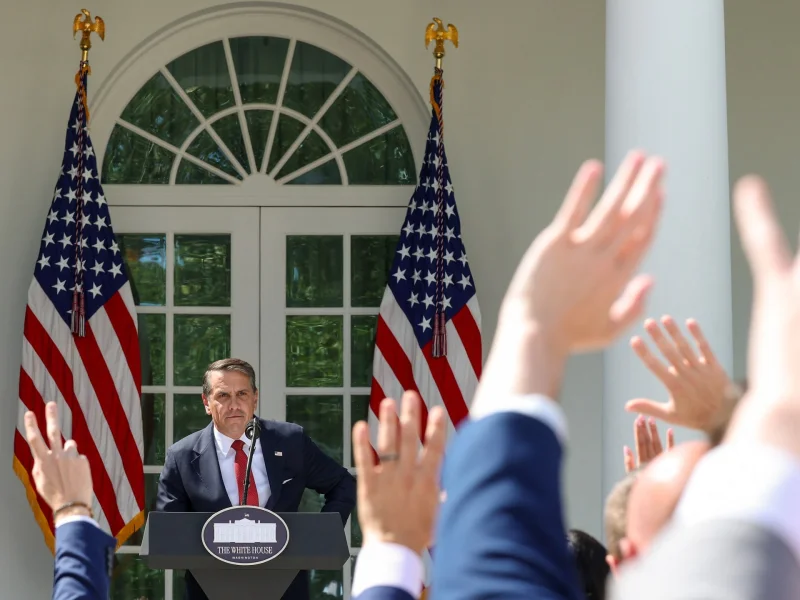
The Supreme Court blocked the Trump administration's new USPS restrictions on mail-in ballots on Monday, leaving existing voting procedures in place ahead of the November 3 midterm elections. The decision also kept alive a lower-court order that had already stopped the rule before it could take effect.
The rule would have required states to provide voter-specific data and to use agency-approved envelopes with barcodes, a shift that state and local officials did not have enough time to carry out before the election. Justice Brett Kavanaugh agreed with the result on that timing point, while Justices Samuel Alito and Clarence Thomas dissented.
That mattered because the ruling did not just slow a policy fight; it froze the rules for mail-in voting at the moment when states were preparing ballots for November 3. The dispute turned on how far the Trump administration could go in changing USPS procedures so close to an election, and the court's answer was no.
On Tuesday, Todd Blanche said the Trump administration would comply with the Supreme Court's decision. His message stood in sharp contrast with Donald Trump, who attacked the same ruling on Truth Social and called it among the most destructive, hurtful and damaging in US history. Trump wrote that the court had set America back at least a hundred years, and said the justices were not the people he had interviewed to serve on the Supreme Court.
That split was hard to miss. Blanche said, in effect, that the administration would accept the outcome, while Trump used the same day to lash out at the court his first-term appointments helped shape. Neil Gorsuch, Brett Kavanaugh and Amy Coney Barrett gave him three justices and helped cement a 6-3 conservative majority, but the ruling showed that loyalty did not translate into automatic support for every election-related move from the Trump administration.
For states, the practical result is simple: the existing voting procedures stay in place unless a later court action changes them. For Trump, the immediate next step is not a new USPS rule but a public fight with the Supreme Court he once helped build. For everyone else, the key question now is whether the administration leaves the matter there or tries again through a different legal path.