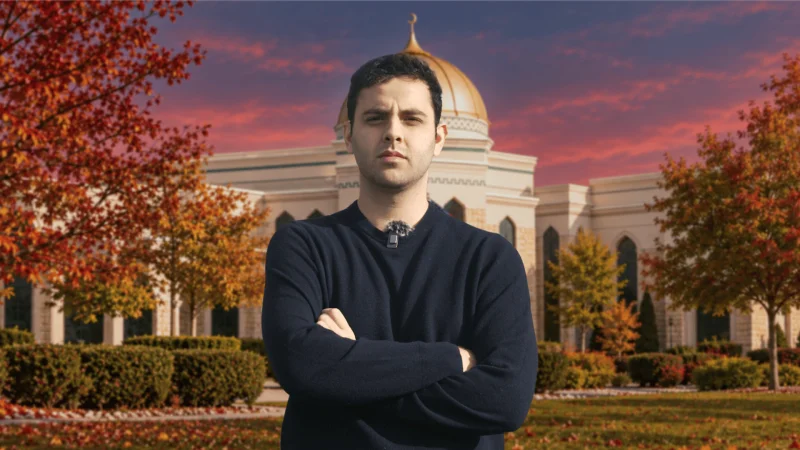
Arab and Muslim American voters in Michigan are being pressed to turn out again on November 3 after helping Abdul El-Sayed win the Democratic nomination in August. The warning is blunt: if they stay home, the race for the U.S. Senate could slip away before it fully opens.
That urgency starts with the scale of the primary result. El-Sayed won by approximately 15,000 votes, a margin built in part by Arab and Muslim American voters, and his campaign has since drawn national attention. Recent polls showed Mike Rogers trailing him, which is why the contest is now being watched far beyond Michigan.

The race matters because the stakes are bigger than one Senate seat. The November 3 general election is being framed as carrying extraordinary and unprecedented significance for Arab and Muslim Americans in Michigan, with the argument that 80 percent turnout could send the first Muslim senator to the U.S. Capitol. El-Sayed’s victory also sent Republicans and pro Israeli lobbyists into a frenzy, underscoring how quickly the primary upset changed the political map.
But the turnout warning carries its own contradiction. In Dearborn, participation in the primary did not exceed 27 percent, even as the campaign now calls for a level of mobilization that would transform the race. That gap between what Arab and Muslim American voters already delivered and what they are being asked to produce next is the central test now.
El-Sayed has become a symbol of what organized turnout can do, but the next step is less about symbolism than execution. If November 3 brings the kind of participation his allies are urging, the election could mark a lasting shift in Michigan politics and put a Muslim candidate within reach of the Capitol for the first time. If it does not, the primary will stand as proof of influence without enough force to finish the job.