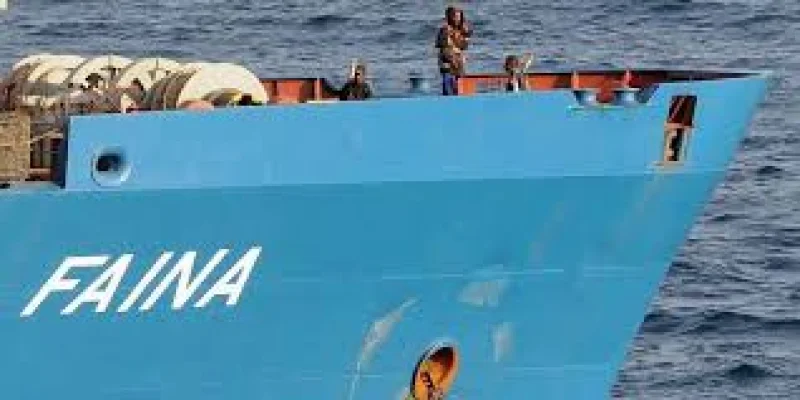
Somali pirates have seized eight vessels since late April, a pace of attacks off the Horn of Africa that has pushed piracy back to levels not seen in a decade. Two of those hijackings came within a fortnight in August, including the capture of the Cameroon-flagged Lutuf and an oil tanker tied to Iran.
The renewed wave matters because it is not a single isolated seizure. It points to a shipping corridor that has become more exposed just as regional conflict has pulled attention and patrols away from Somalia. For cargo ships and smaller dhows moving through those waters, the risk has shifted from background concern to active threat, and the timing suggests pirates are testing how far they can go before the response catches up.
The scale is stark when set against the last major piracy wave. From 2005, more than 1,000 attacks were recorded over a seven-year period off Somalia, thousands of crew members were taken hostage and the network collected $400m in ransom before the attacks only petered out after a multinational anti-piracy force was deployed. Somalia has had no strong central government since Mohamed Siad Barre fell in 1991, and that long-running weakness has left the coastline vulnerable whenever outside pressure eases.

The latest surge has a simple mechanism and a messy backdrop. Matthew Reisener warned in July that naval campaigns by Iran in Hormuz and Houthi attacks in the Red Sea were helping piracy thrive again, while drawing global navies that once combated piracy off the Horn of Africa into other critical waterways. He said traffic has been pushed closer to Somalia’s coastline, opening the door to opportunistic attacks. About 70% of maritime traffic that once moved through the Red Sea is now being rerouted around the Cape of Good Hope in South Africa, a shift that has changed patterns on the water and created more room for pirates to work.
That explanation, however, does not fully settle what happened around the Lutuf. The vessel was released two weeks after it was captured, after a joint Turkish-Somali operation destroyed four pirate vessels. Yet Mohamed Mubarak said a $2.5m ransom was also paid. Those two details do not fit neatly together, and they leave open whether force at sea, cash on the table, or both helped bring the ship back.
The broader assessment from the International Institute for Strategic Studies is that the recent deterioration of maritime security followed a prolonged period of relative calm off the Somali coast, when anti-piracy fleets were redeployed and commercial risk-management practices were relaxed. That combination, plus the distraction of Houthi attacks in the Red Sea, created the opening pirates were quick to exploit. The question now is not whether the old threat has returned; it has. The question is how many ships will need to be taken before the maritime response is rebuilt around Somalia again.