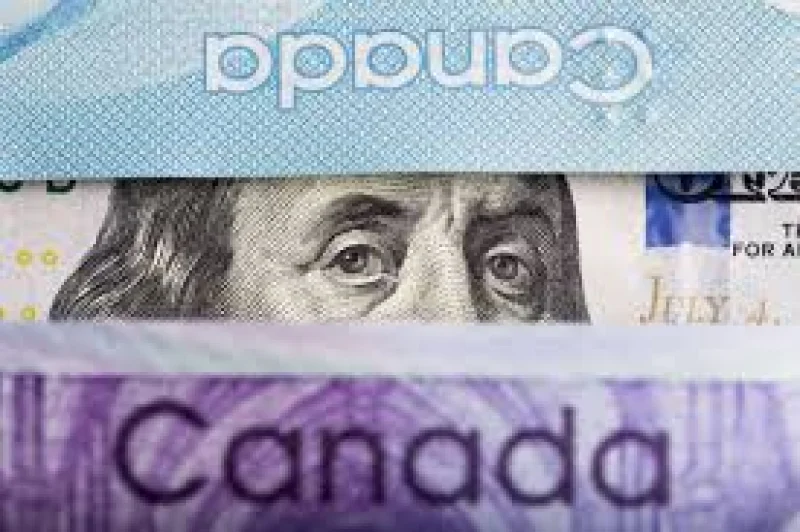
Donald Trump said Canada’s dollar “imbalance” with the US is unacceptable, putting a fresh spotlight on a trade relationship that often turns on language as much as policy. The remark was brief, but it was sharp enough to raise the question of what, exactly, he thinks is out of line.
The comment matters now because it was delivered in a current political setting tied to Trump and Canada, and because no one has yet spelled out whether he meant exchange rates, trade flows, or something broader. That ambiguity is part of what has kept the line moving: people searching for the statement are trying to work out whether this is the start of a policy fight or just another Trump shot across the bow.
What is clear is the wording itself. Trump used the word “unacceptable” to describe the imbalance, which suggests he sees the issue as a breach rather than a routine difference between Canada and the US. But the available reporting does not say what mechanism he had in mind, and it does not identify any immediate response from Canada and the US.

The same text that carried Trump’s remark also wandered far from that economic dispute. It said Norway seized the Russian-owned vessel Professor Molchanov in the Arctic over a $4.2 billion compensation claim awarded to Ukraine’s Naftogaz, after a court approved the arrest near Svalbard. The case goes back to Russia’s seizure of Naftogaz assets following the 2014 annexation of Crimea, and a tribunal in The Hague later ordered Moscow to pay billions in compensation.
Russia has refused to comply and is challenging the process, while Moscow condemned the vessel seizure as “piracy.” Naftogaz says it will keep pursuing Russian assets across multiple countries until the compensation is paid, a reminder that some of the strongest financial pressure around the war still plays out through courts and seizures rather than headlines.
Then the focus shifted again, this time to Kai Trump, who opened up about the emotional strain of college life away from home. She said she had gone “days” without eating while adjusting to the transition, and that admission quickly drew concern online. It was a striking turn in a package that had begun with trade language and drifted through an Arctic arrest before landing on a family story about growing pains.
That mix leaves Trump’s Canada comment standing on its own, but only partially explained. The sentence landed with force; the policy behind it did not. Until Trump or his team defines what he meant by the Canadian dollar imbalance, the remark reads less like a finished position than the opening move in a dispute still waiting for a clearer target.