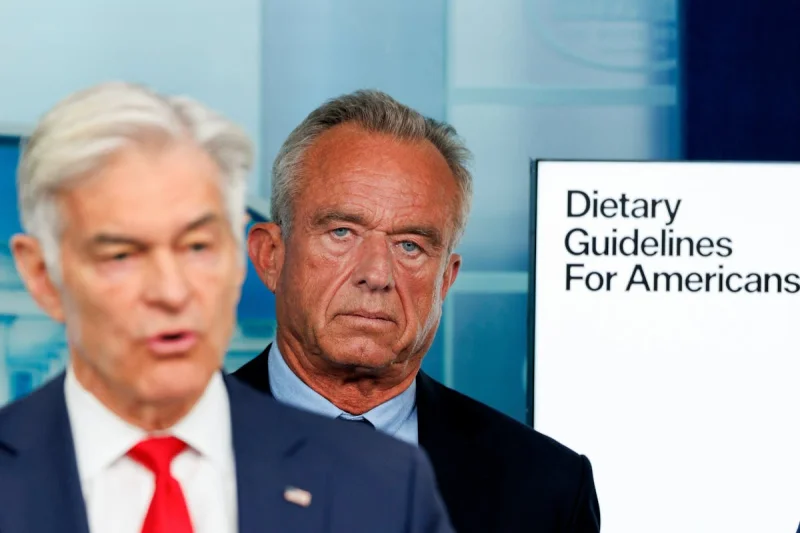
The Trump administration has recast the Dietary Guidelines for Americans around a blunt message: Eat Real Food. Under the new framework, protein is being pushed to the center of federal nutrition policy, while meat and milk are being presented as pillars of the American diet.
That shift lands at a moment when Americans are already buying more meat than ever. They are spending record amounts on it, even as beef prices keep climbing because cattle herds have fallen to their lowest level in 75 years. President Trump last week paused tariffs on 300,000 metric tons of beef, sold to the United States at a 25 percent discount, but agricultural economists do not expect that to lower the price of a hamburger in any meaningful way.
The timing is what gives Maha its force. For a few years around the turn of the decade, meat had been under real scrutiny as plant-based foods gained visibility. Now the pendulum has swung back, and the administration’s newest nutrition language is helping drive it. Sales of plant-based meats and plant-based milks are declining, while Americans are projected to eat more meat than ever this year.

Robert F. Kennedy Jr. has become the face of that turn, and he is described as a proudly ravenous meat eater. His line — Eat Real Food — captures the movement’s pitch: fewer processed foods, more protein, more animal products, and a cleaner break from the nutrition advice that came before. For supporters, that sounds like common sense. For critics, it is a policy dressed up as appetite.
The problem is that the appetite runs into the facts. It is still unhealthy to eat meat in excess, and meat is environmentally damaging to produce. Yet it is also extremely profitable for the industrial farms and multinational conglomerates that make up Big Agriculture, which helps explain why the message has so much momentum. Livestock grazing takes up about 35 percent of all American land, cropland for feed accounts for another 8 percent, and more water is used to grow feed than for any other agricultural purpose.
The environmental cost is just as stark. Livestock make up about half of all agricultural greenhouse gas emissions, or 5 percent of all national emissions, and most of those emissions come from methane belched by cows and manure expelled by factory farms. About a quarter of all water withdrawn from the Colorado River goes to alfalfa for cattle feed. Close to 10 billion animals are slaughtered in the United States every year, most of them chickens, and 99 percent of those chickens come from industrial farms.
That leaves the central question unresolved: whether the government’s new dietary message will change what Americans eat, or whether it will simply bless a trend already underway. The policy is arriving after the market has already moved, and the market is moving in a direction that makes meat more expensive, more consumed, and harder to defend at the same time.